1. NEUROPHYSIOLOGICAL SCULPTURE (Rebound Core / Free Shaper)
Academic Text
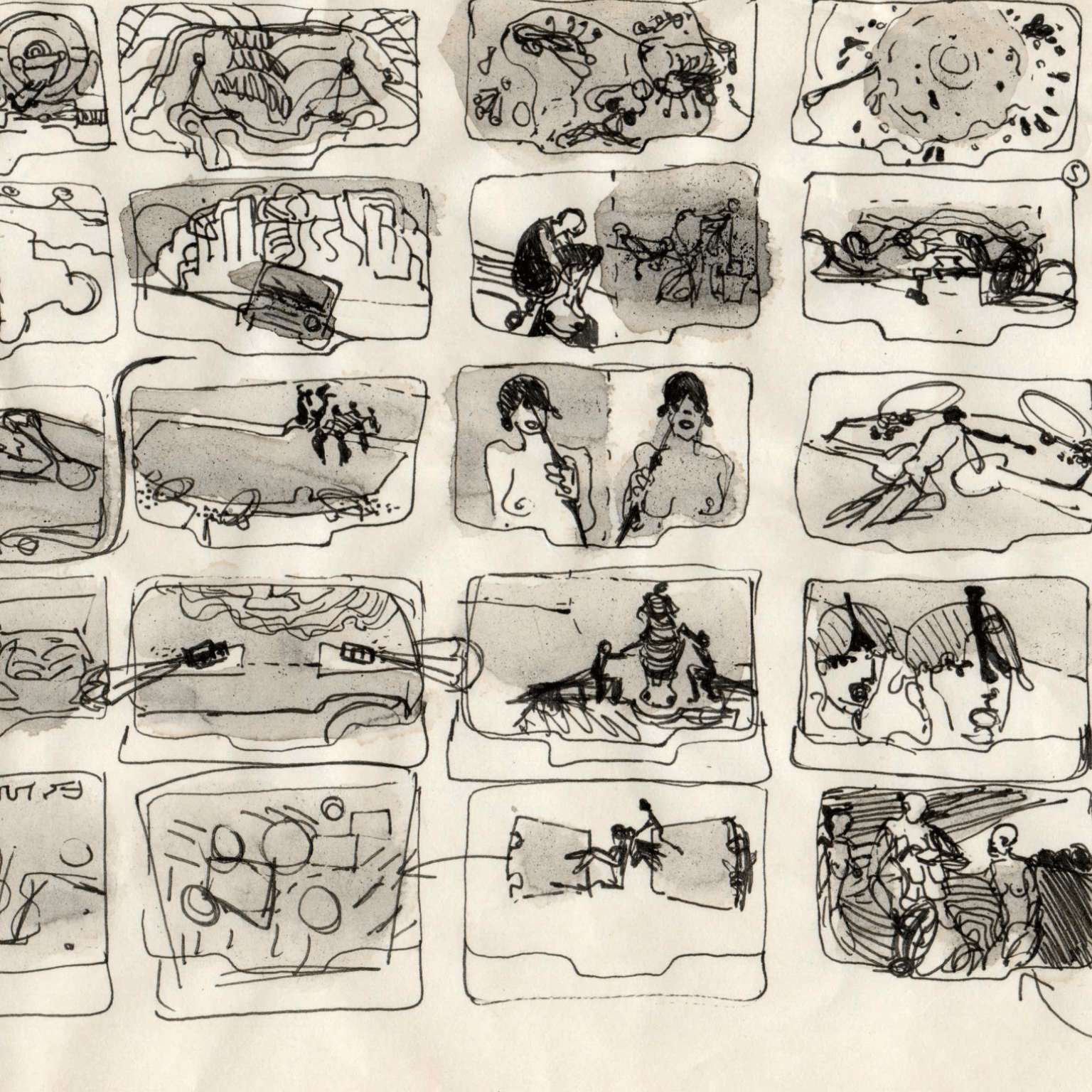
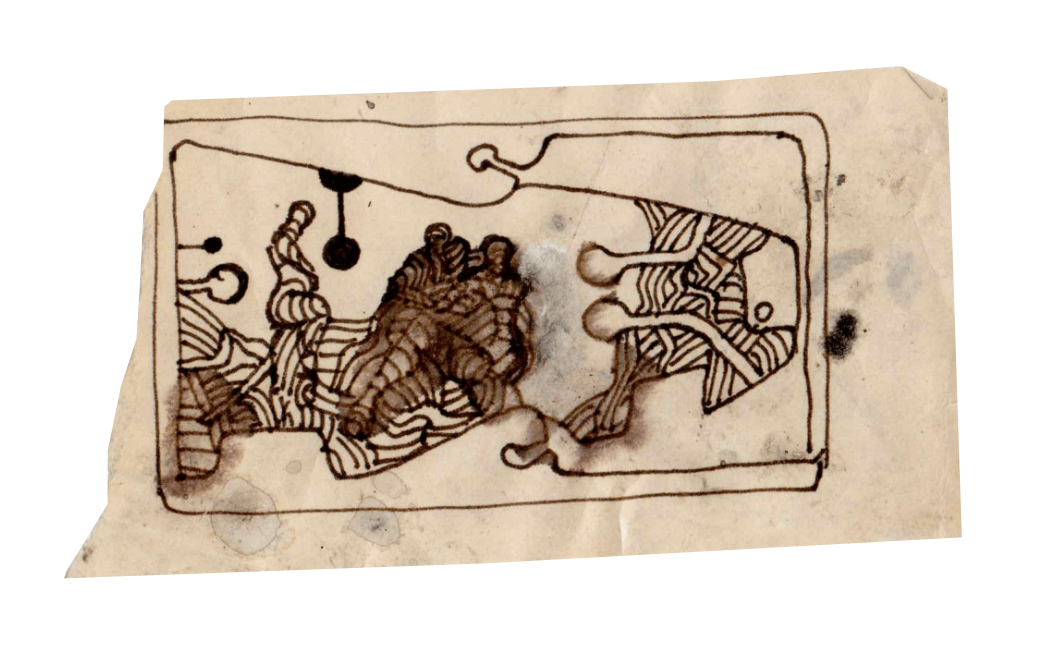
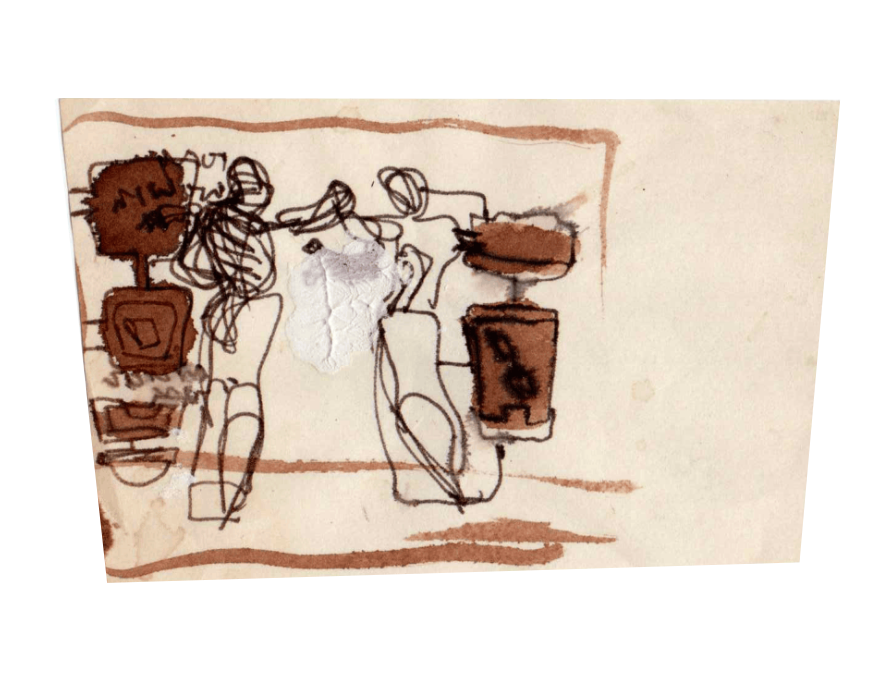
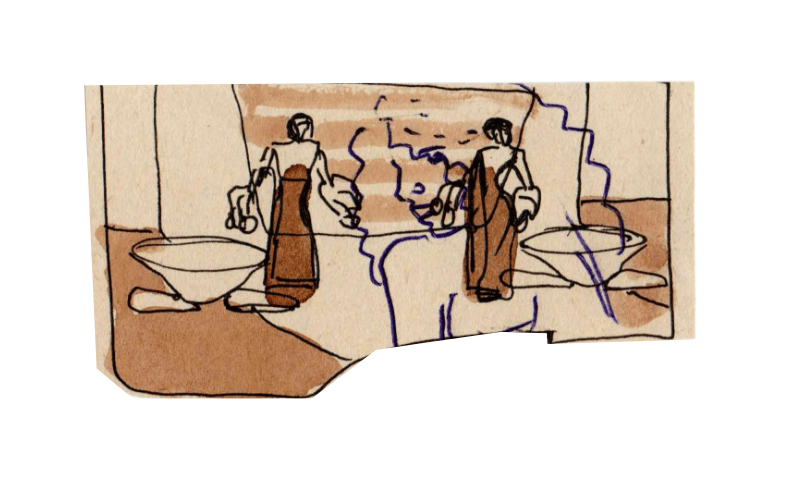
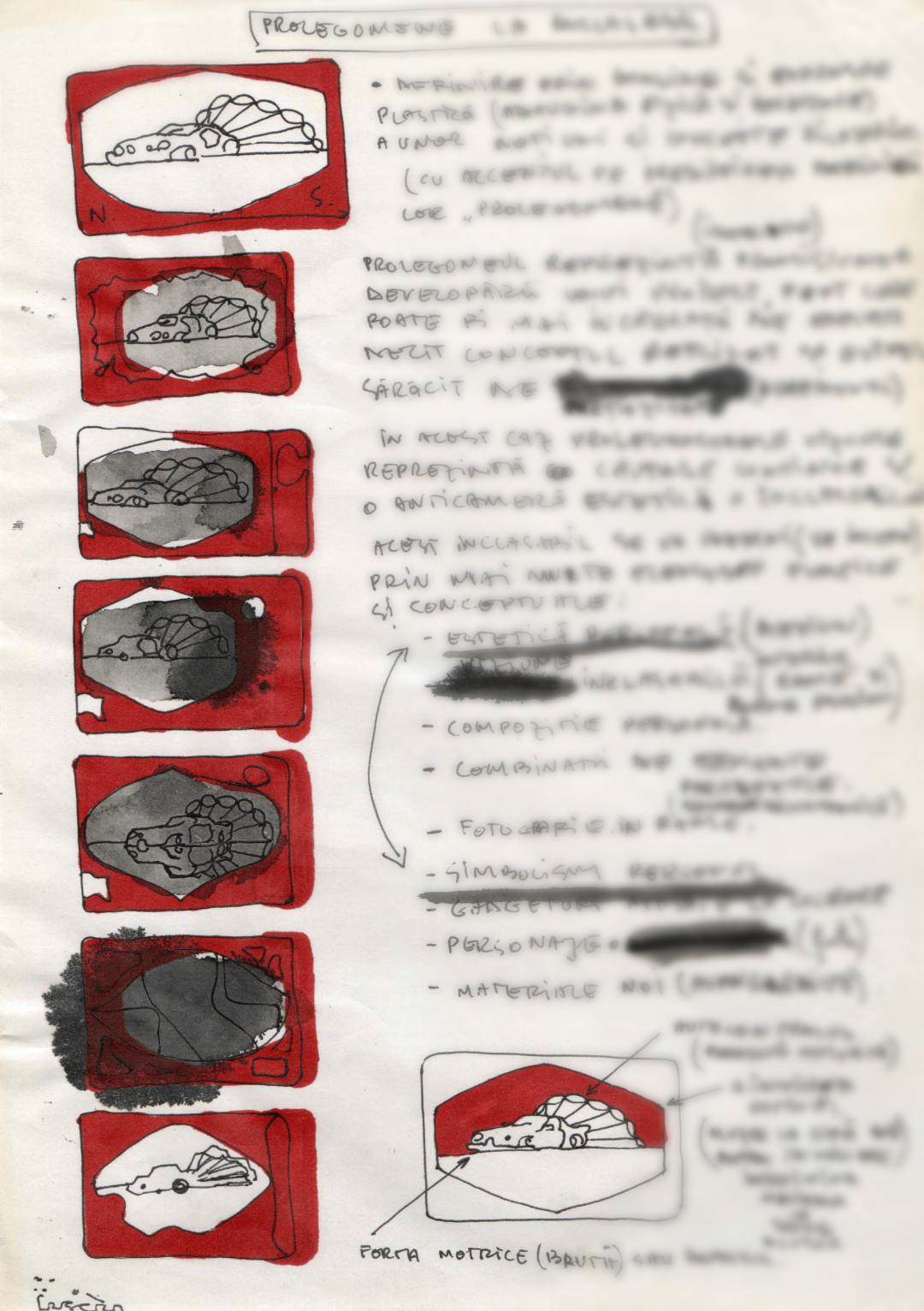
This paradigm proposes a fundamental reconfiguration of sculpture, transforming it from an object-centered discipline into an active system of relationships between the body, matter, and latent code. Within this framework, sculpture no longer functions as a space of representation, but as a field of activation in which perception, structure, and meaning are generated through dynamic interaction. The system unfolds across three paradigms, each marking a transition. The first of these paradigms, Neurophysiological Sculpture, establishes the fundamental condition: the direct engagement of the body within an unstable sculptural field. In this first paradigm, sculpture is understood as a system of controlled instability that activates the human body directly. The artwork does not function as a contemplative object, but as an experiential medium in which perception is generated through imbalance and readjustment. The center of the sculpture is not fixed, but variable, being determined by the interaction with the body. In this context, form becomes an instrument of neurophysiological stimulation, and the sculptural experience is mediated by proprioceptive processes. This stage operates within a pre-technological register, where the “code” is understood as somatic organization and bodily reaction.
Statement
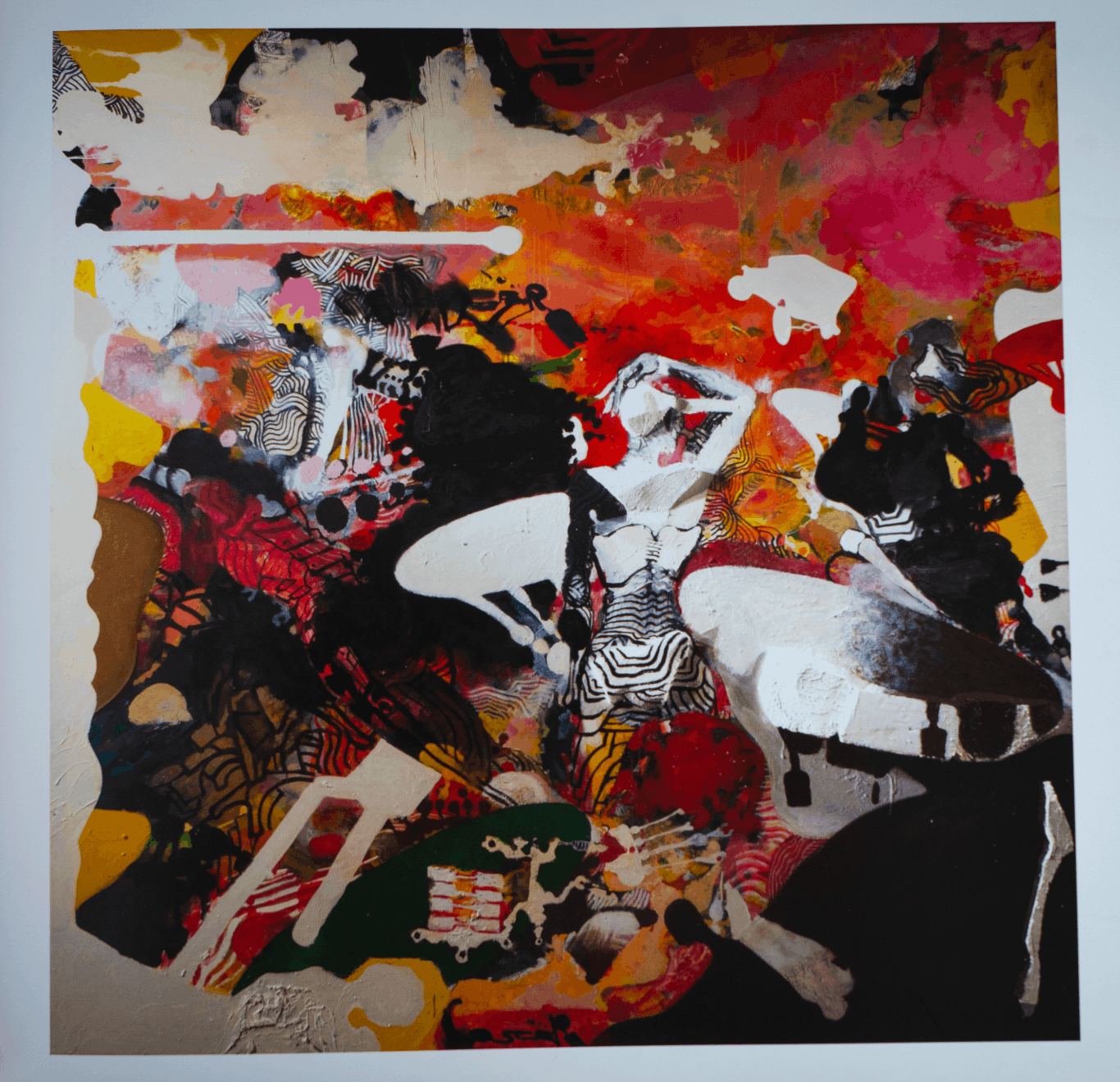
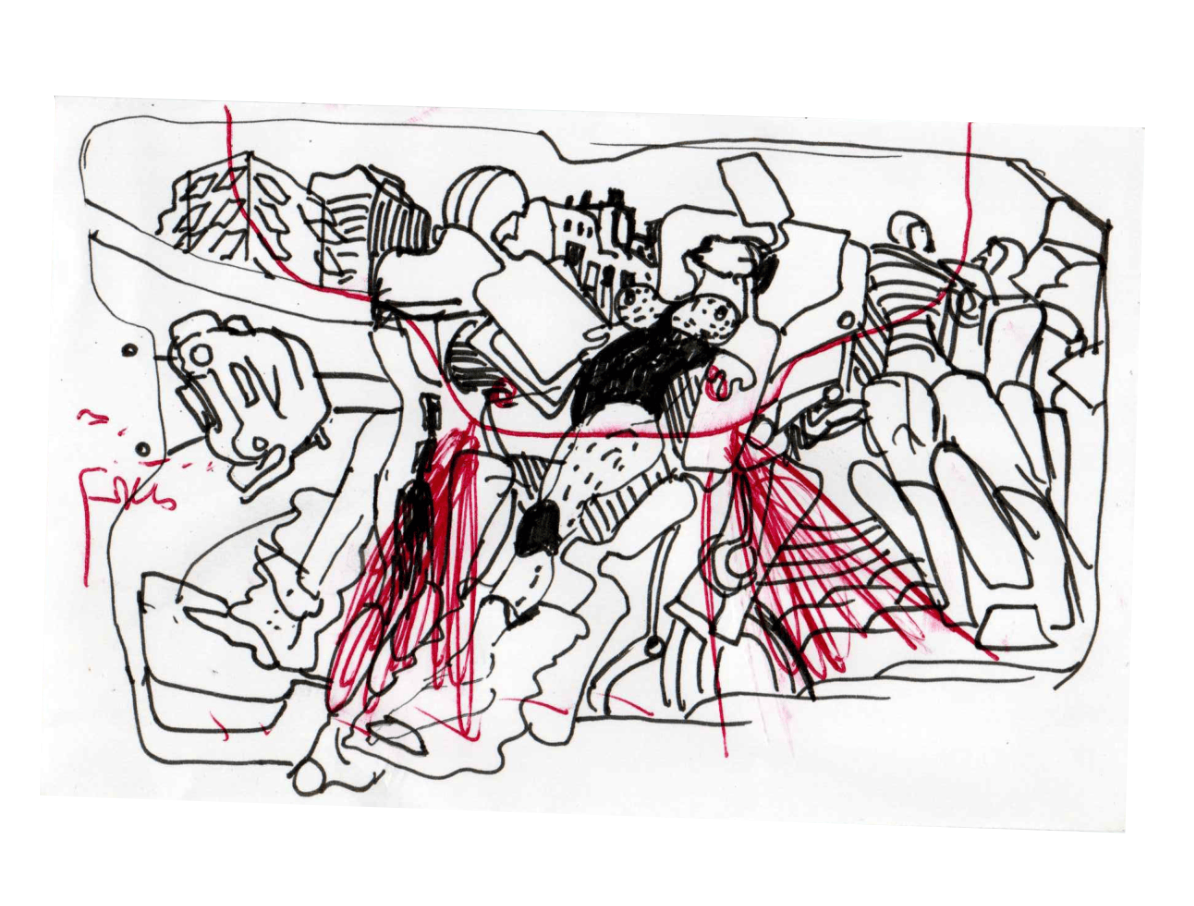
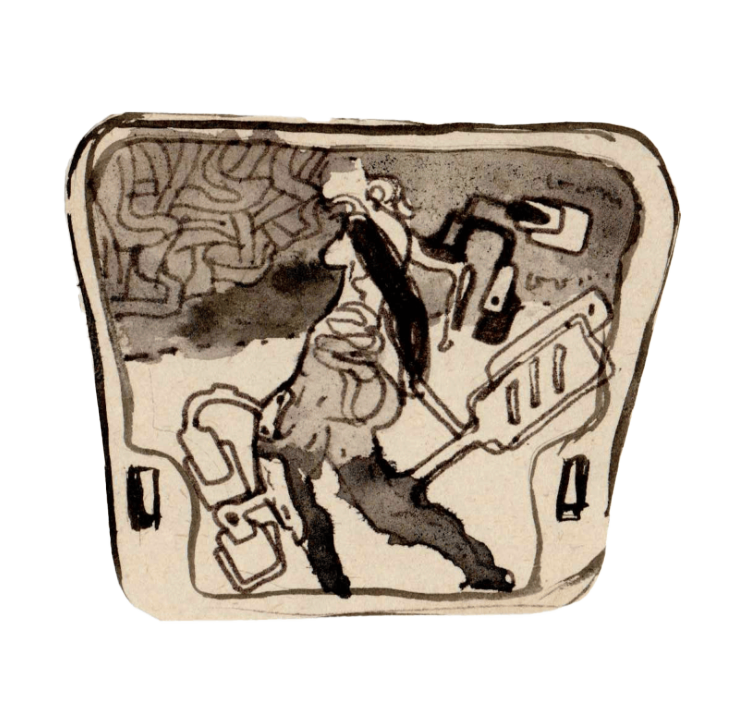
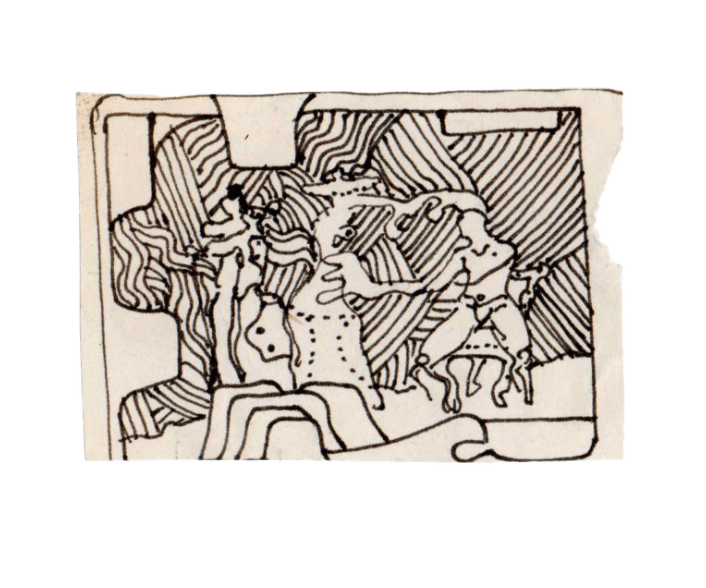
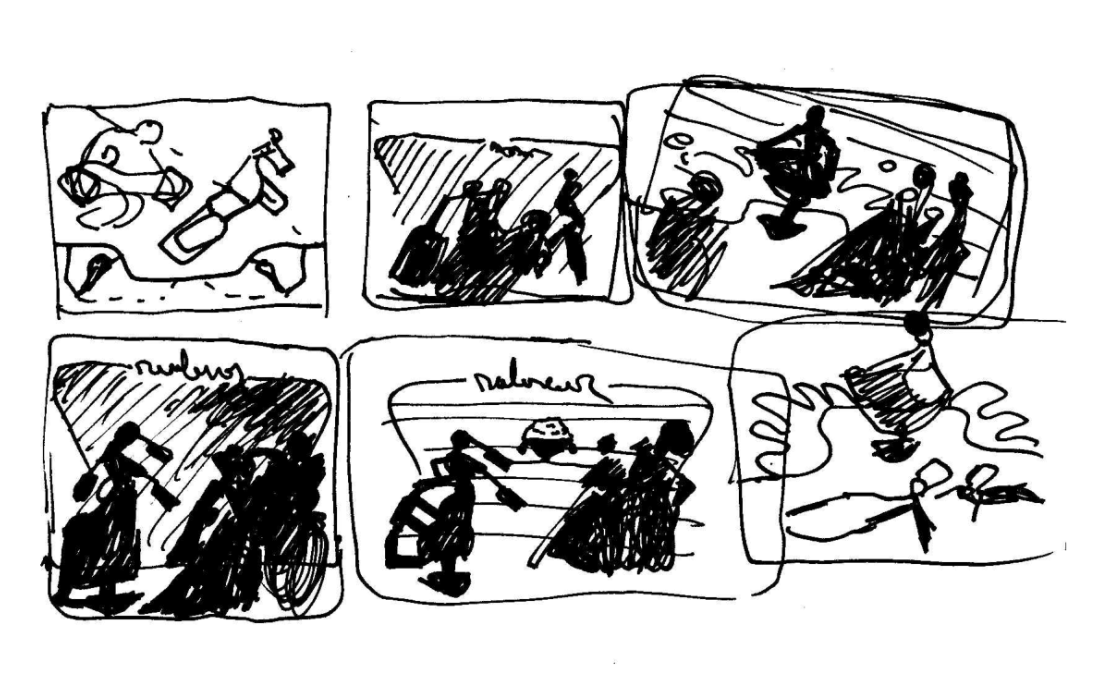
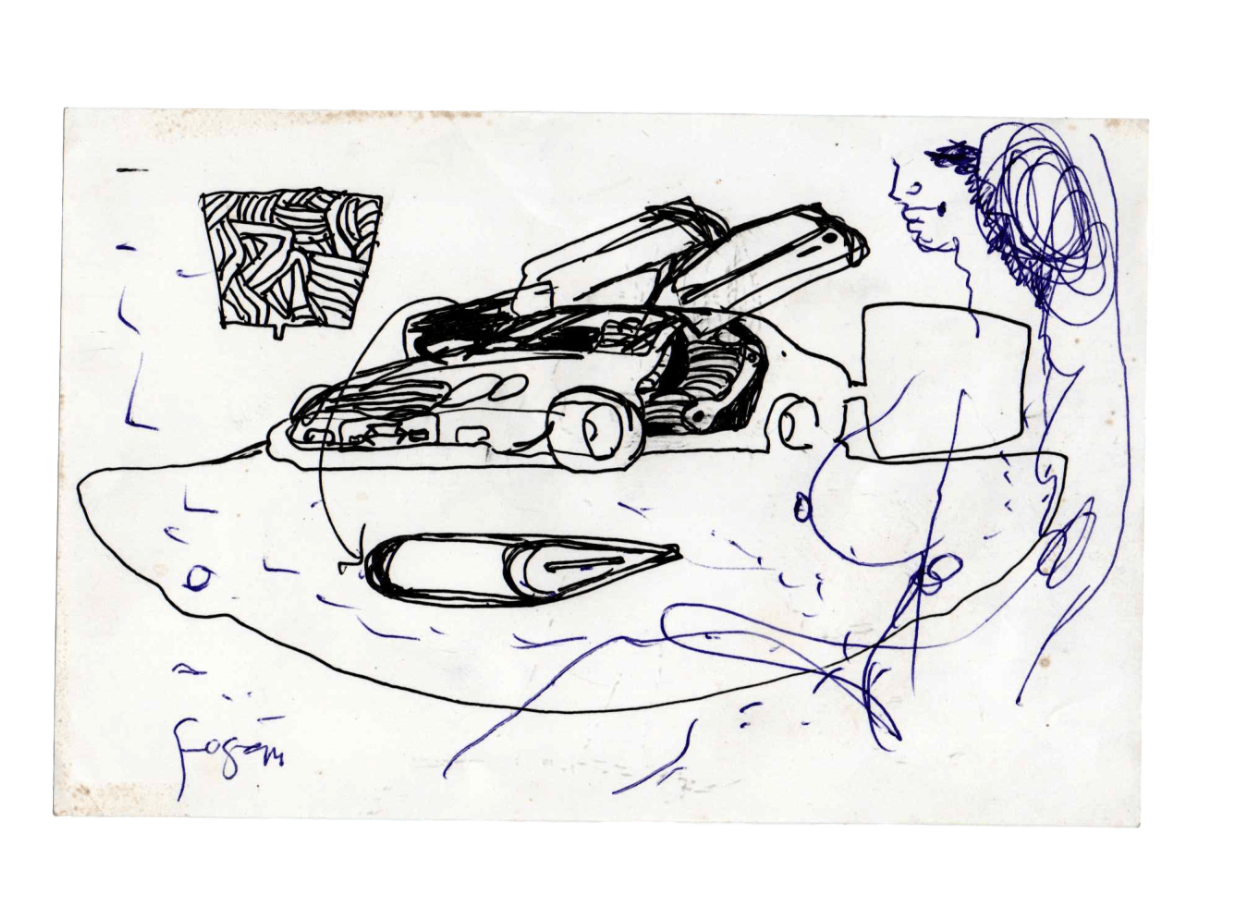
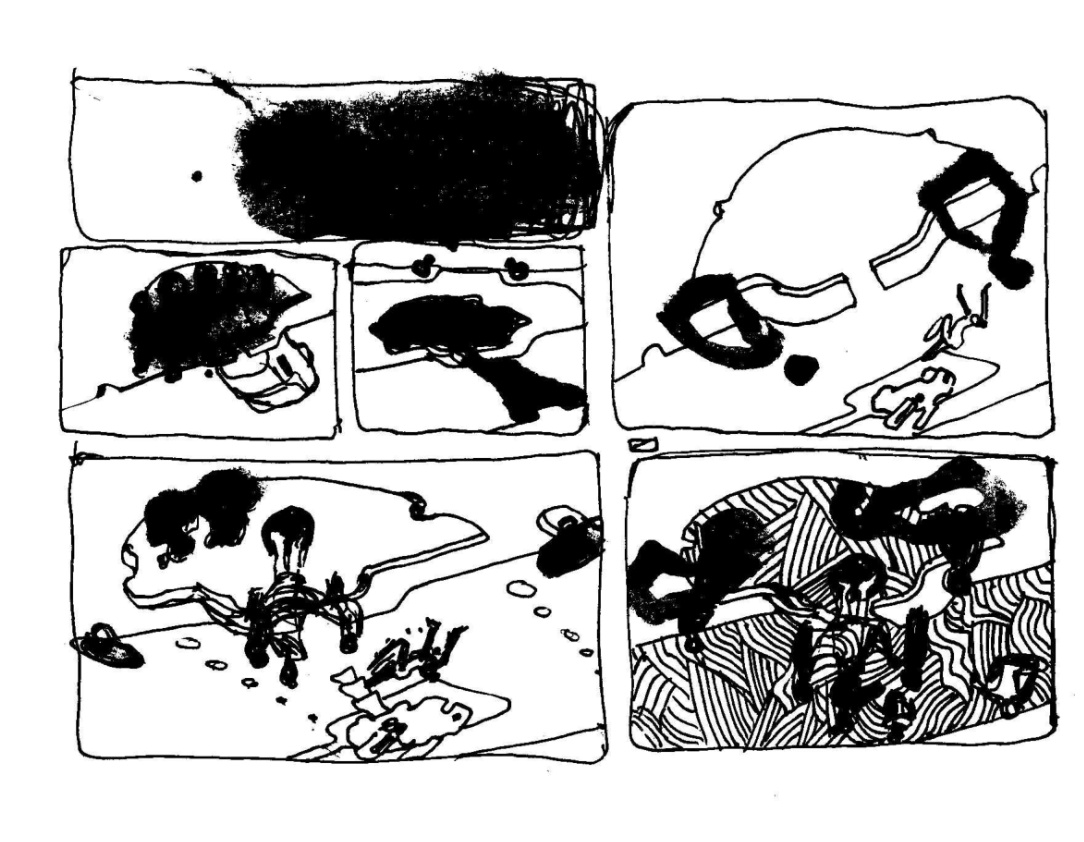
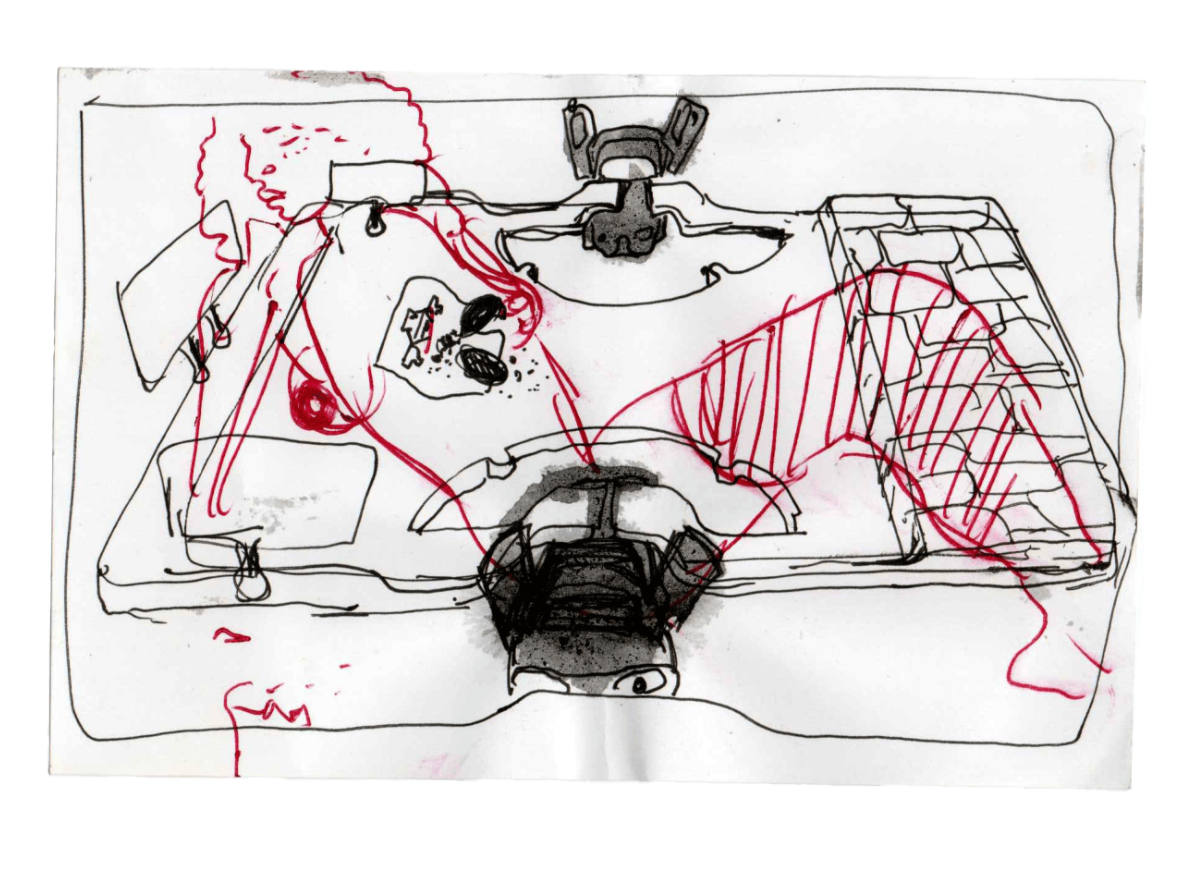
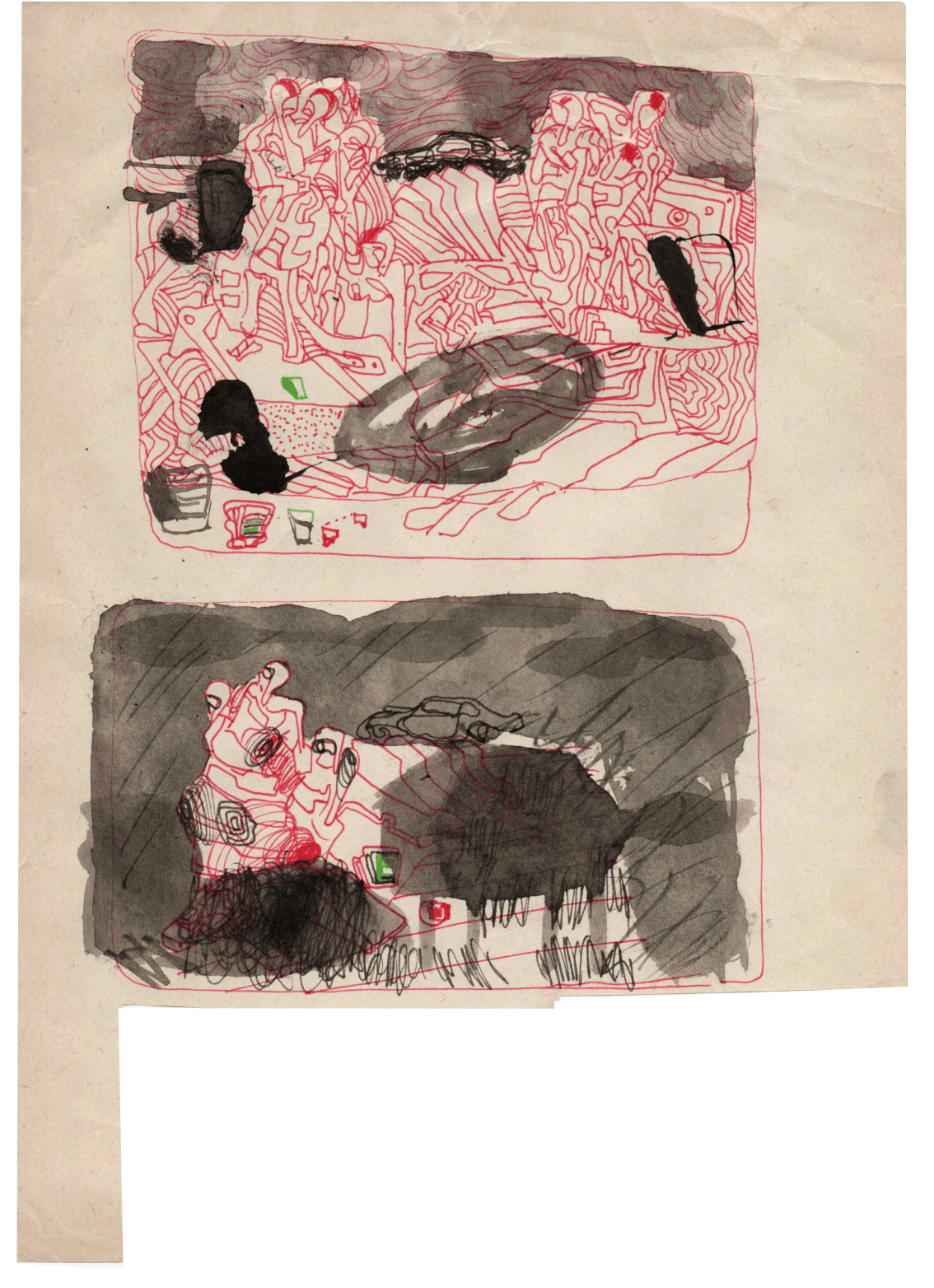
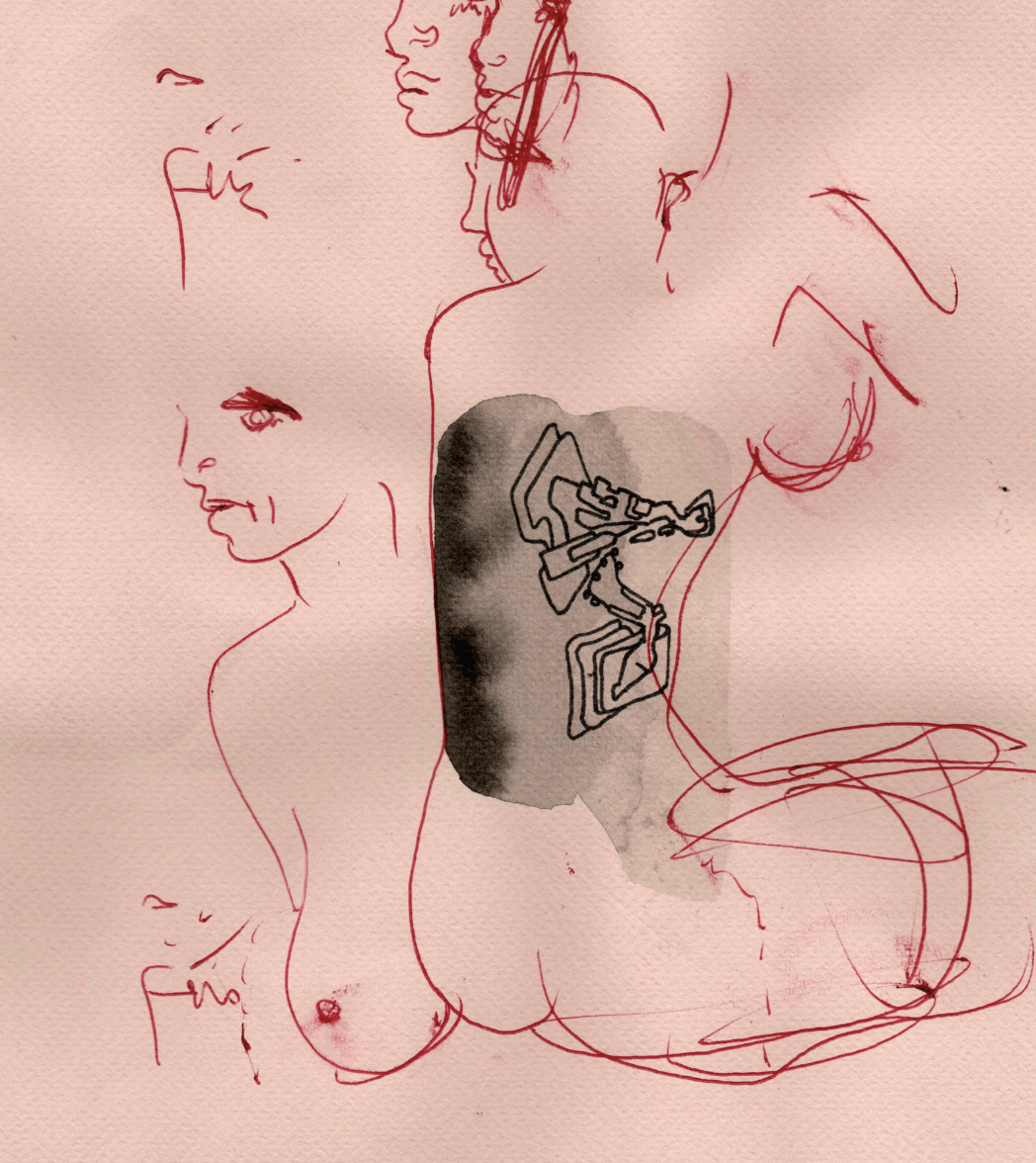
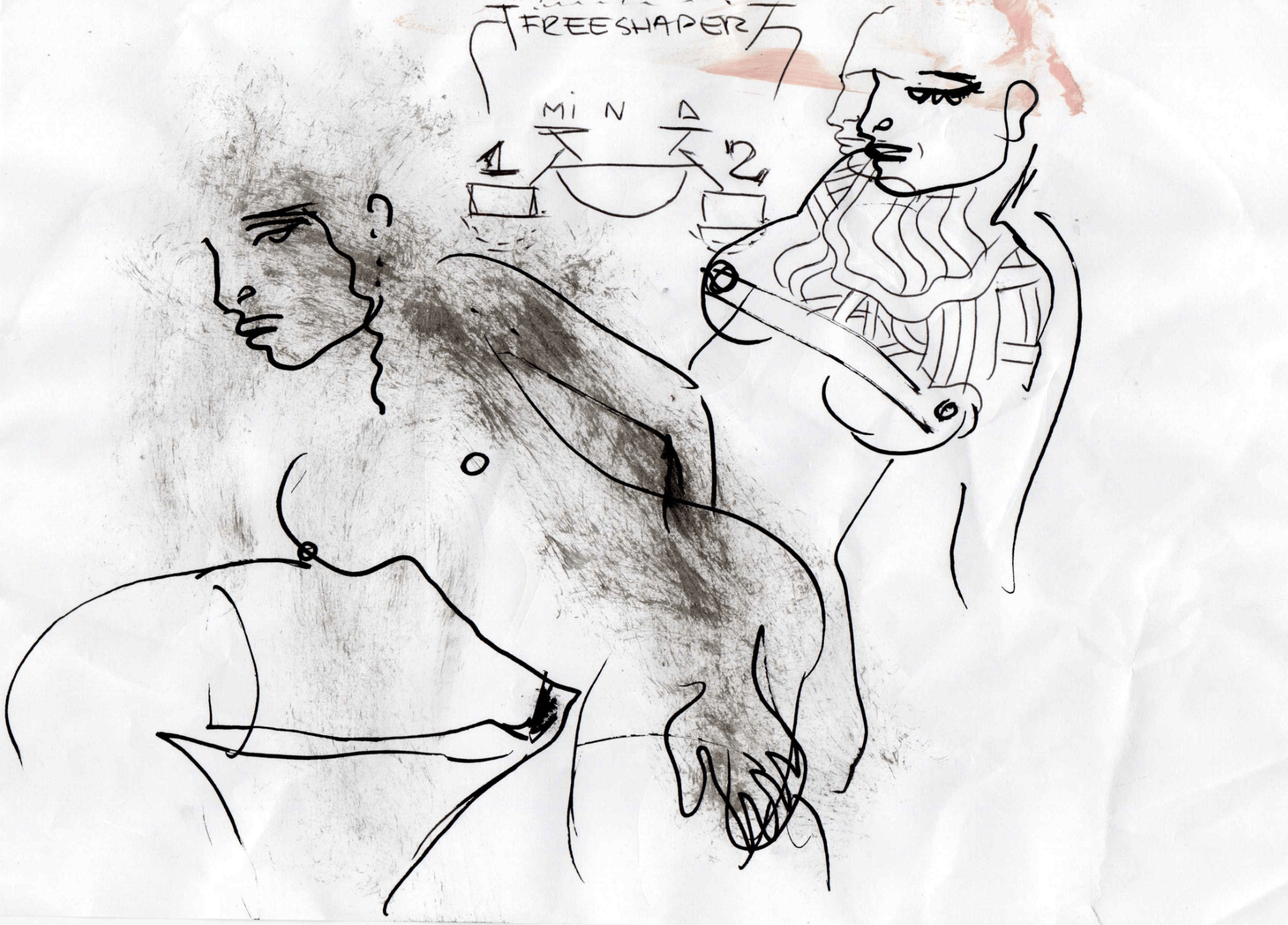
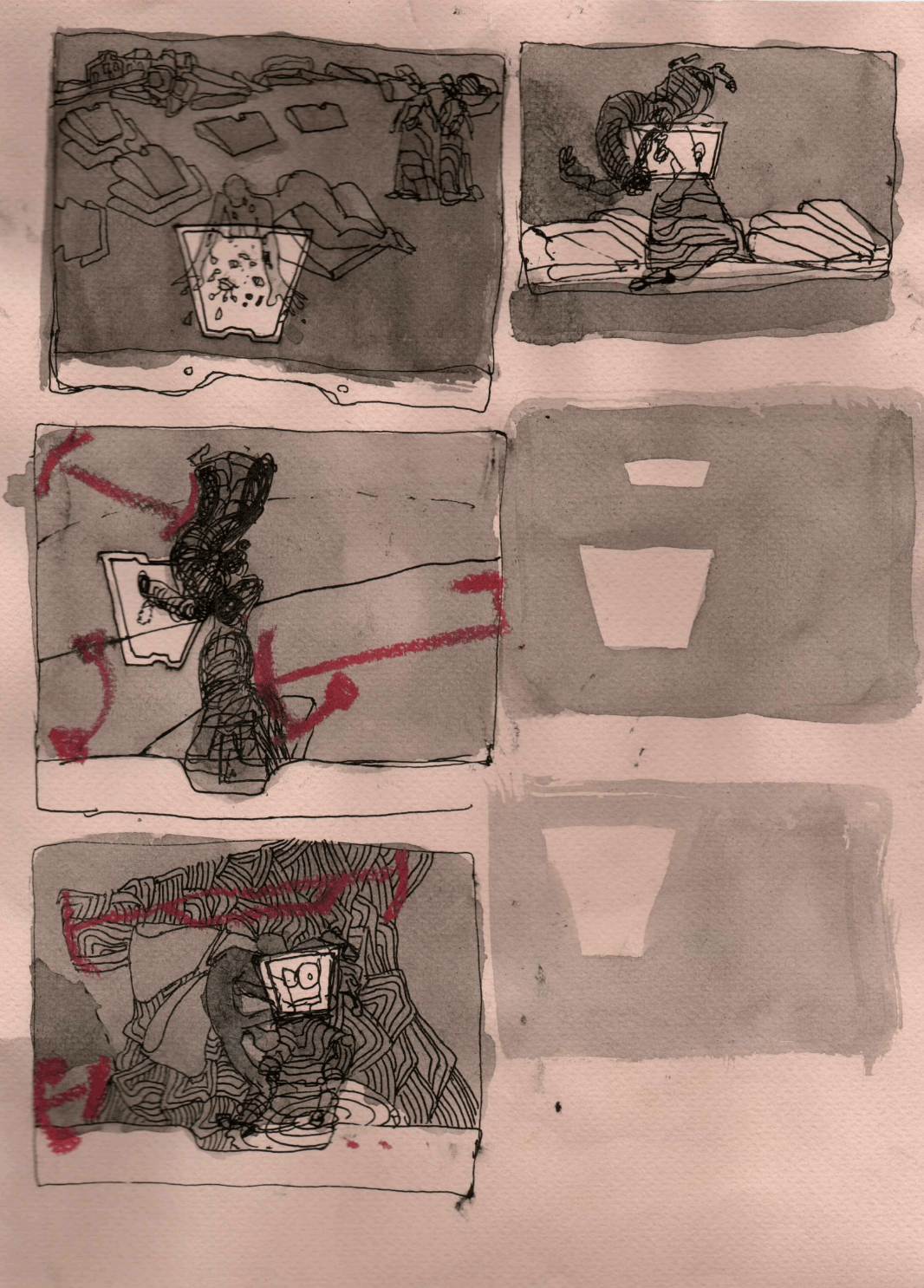
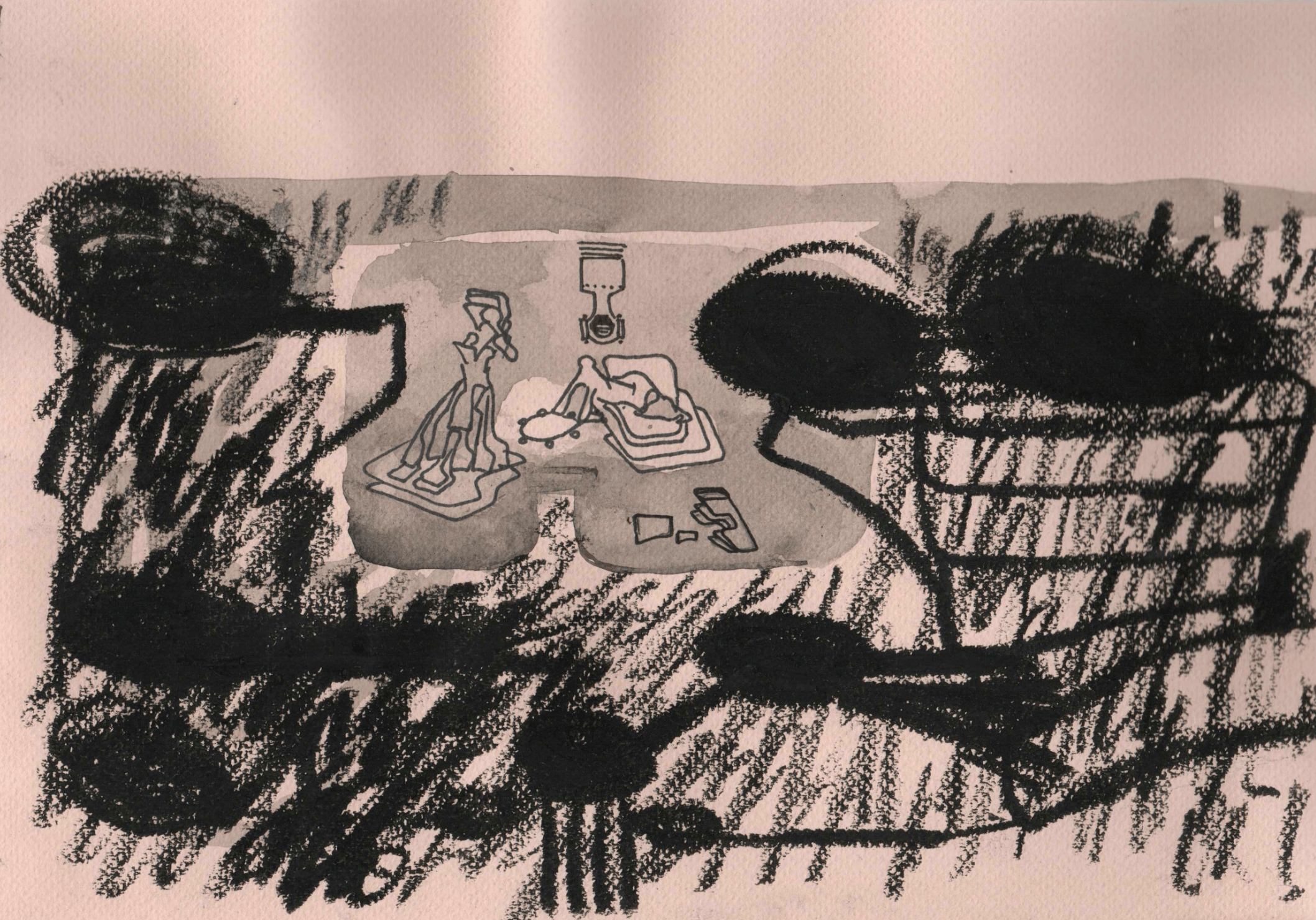
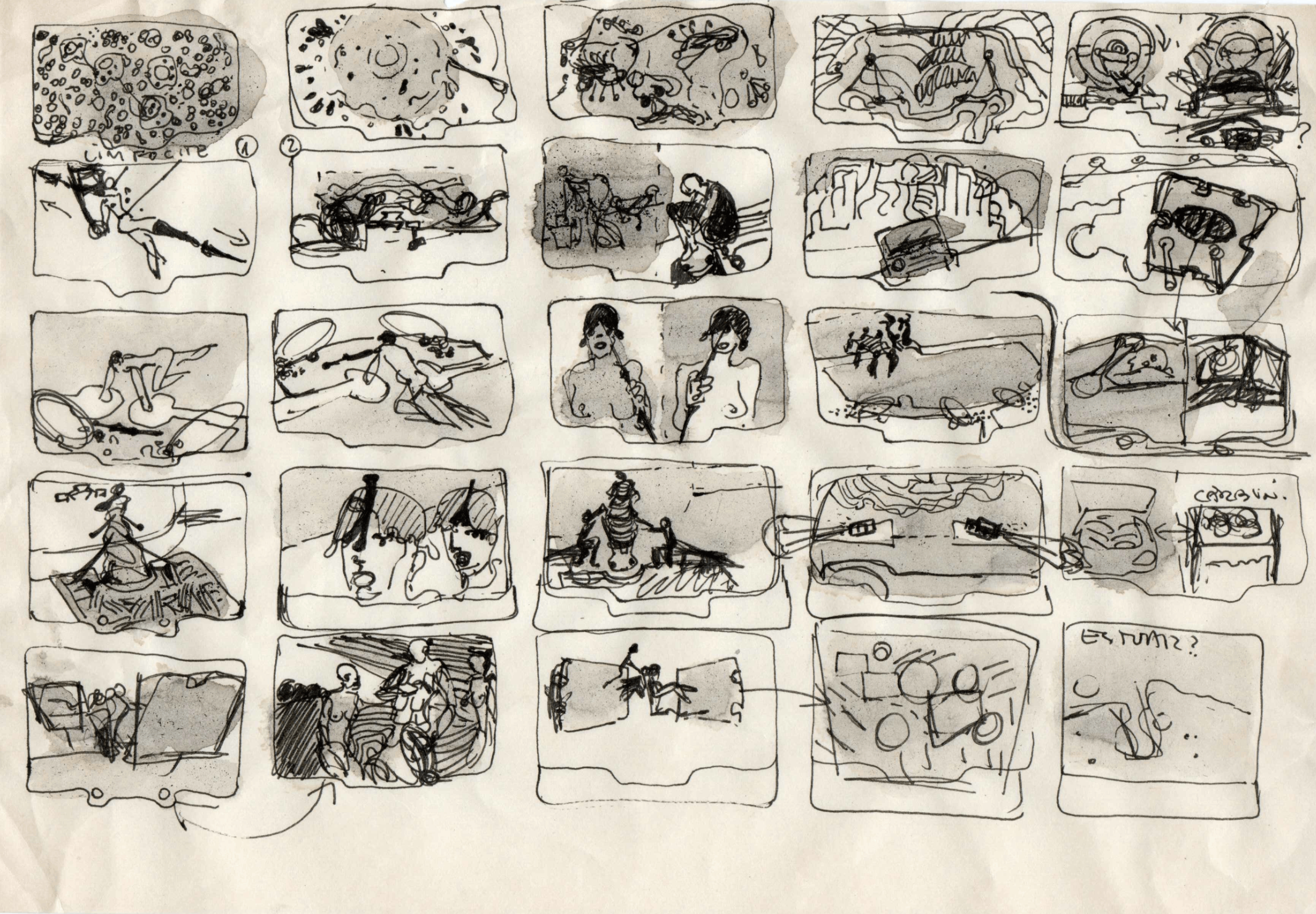
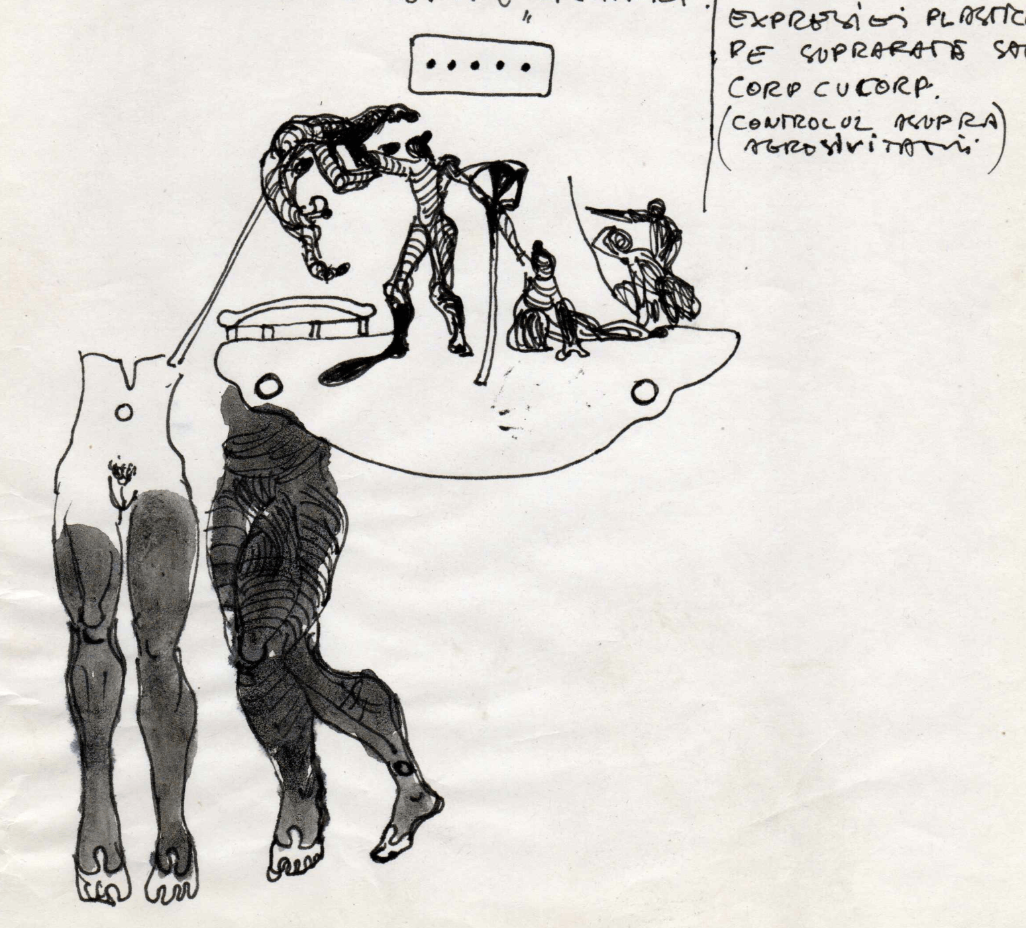
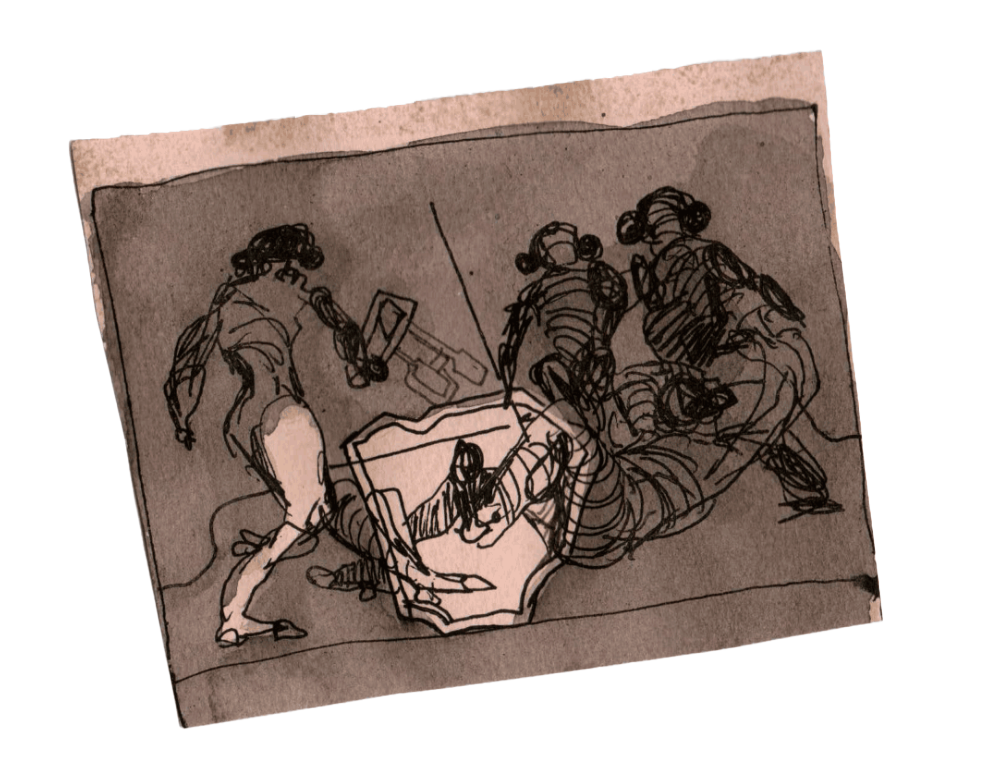
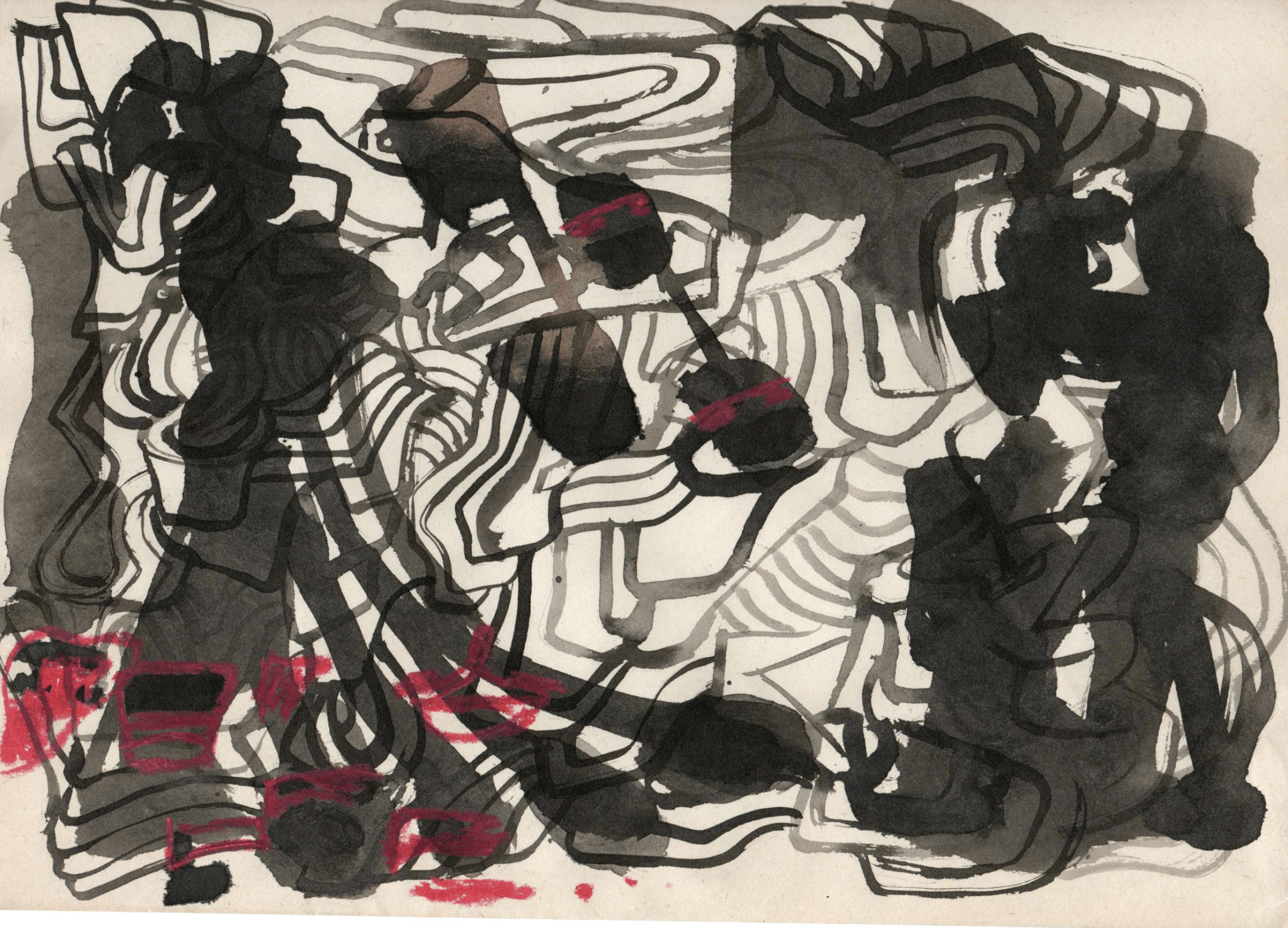
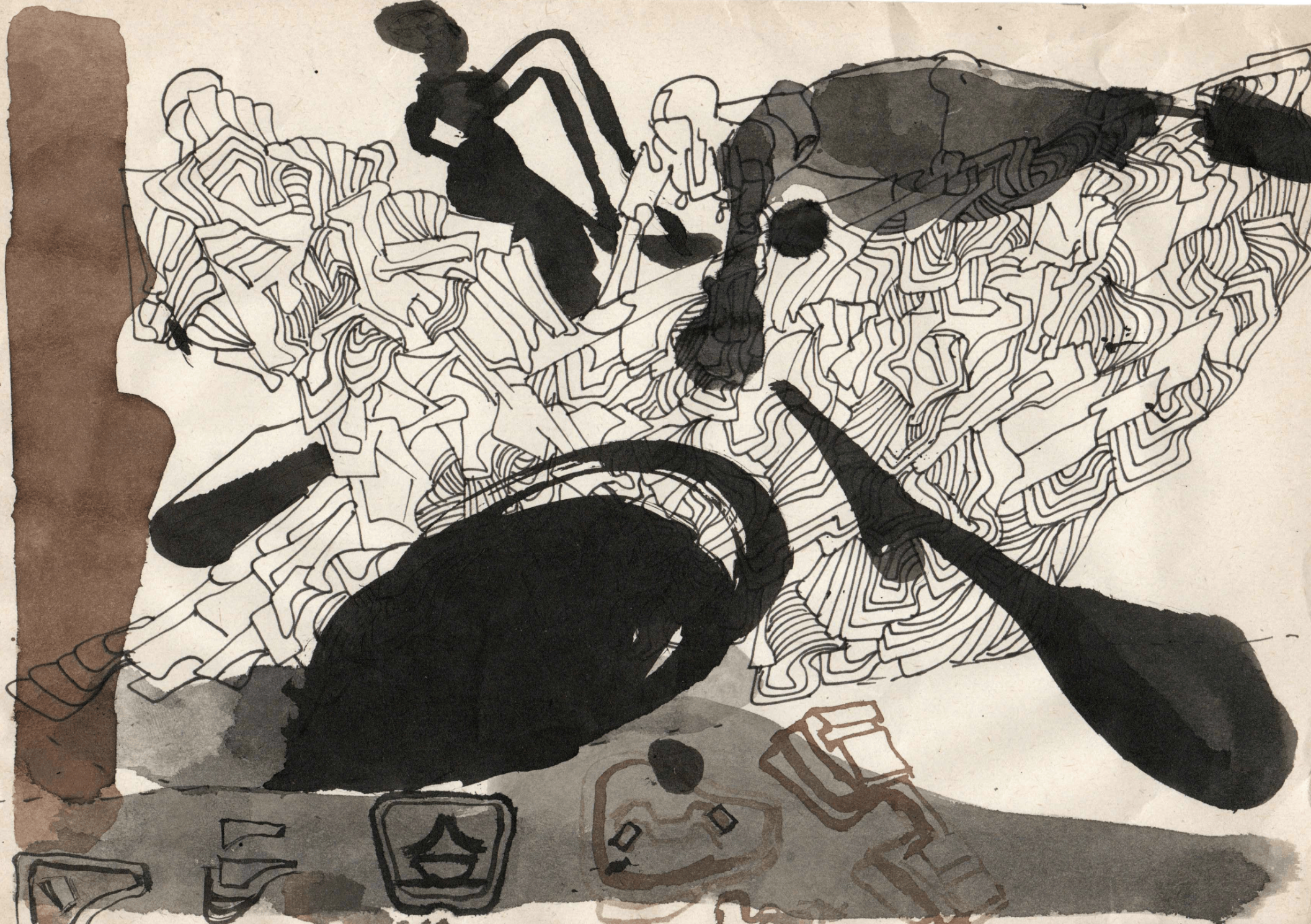
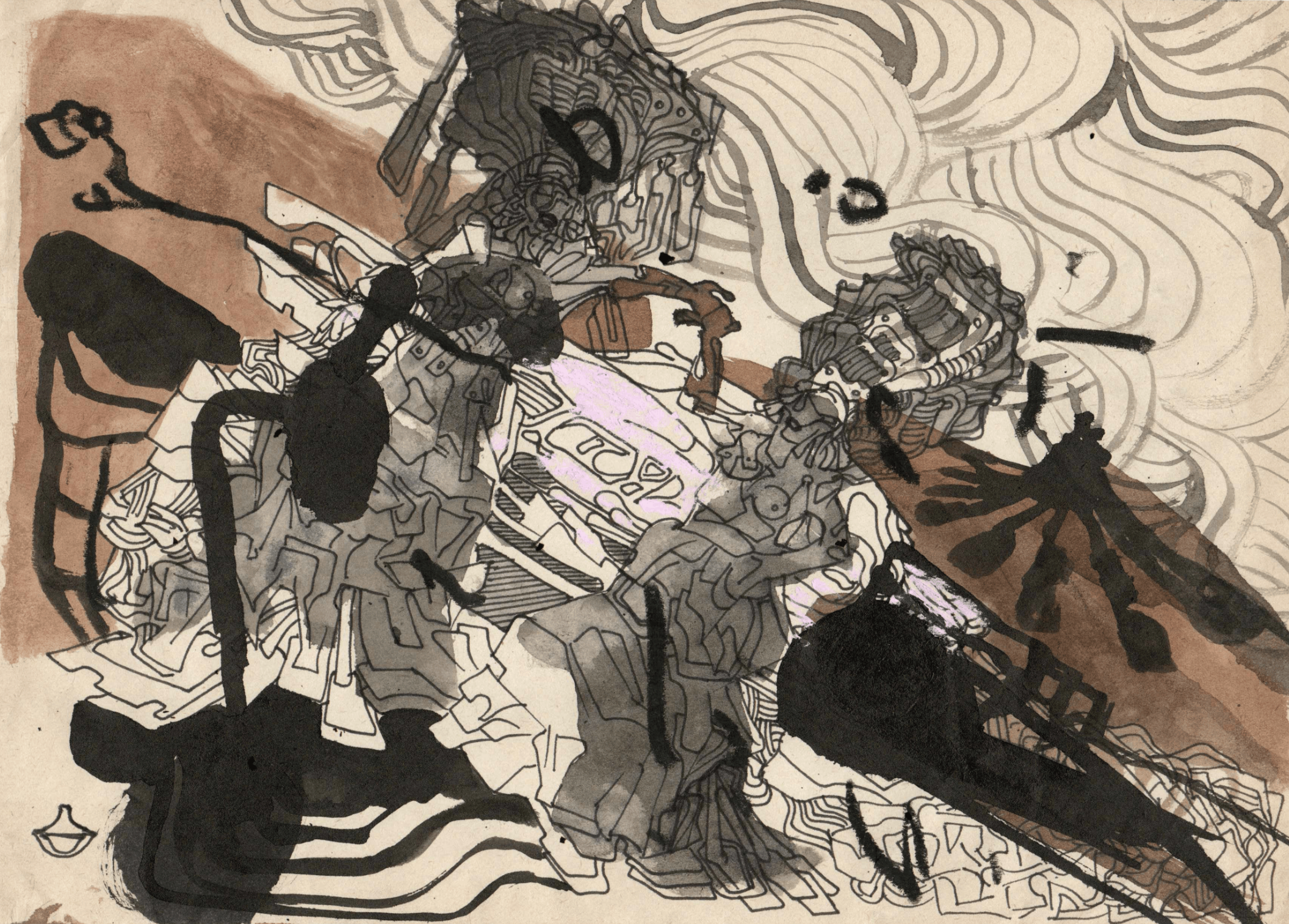
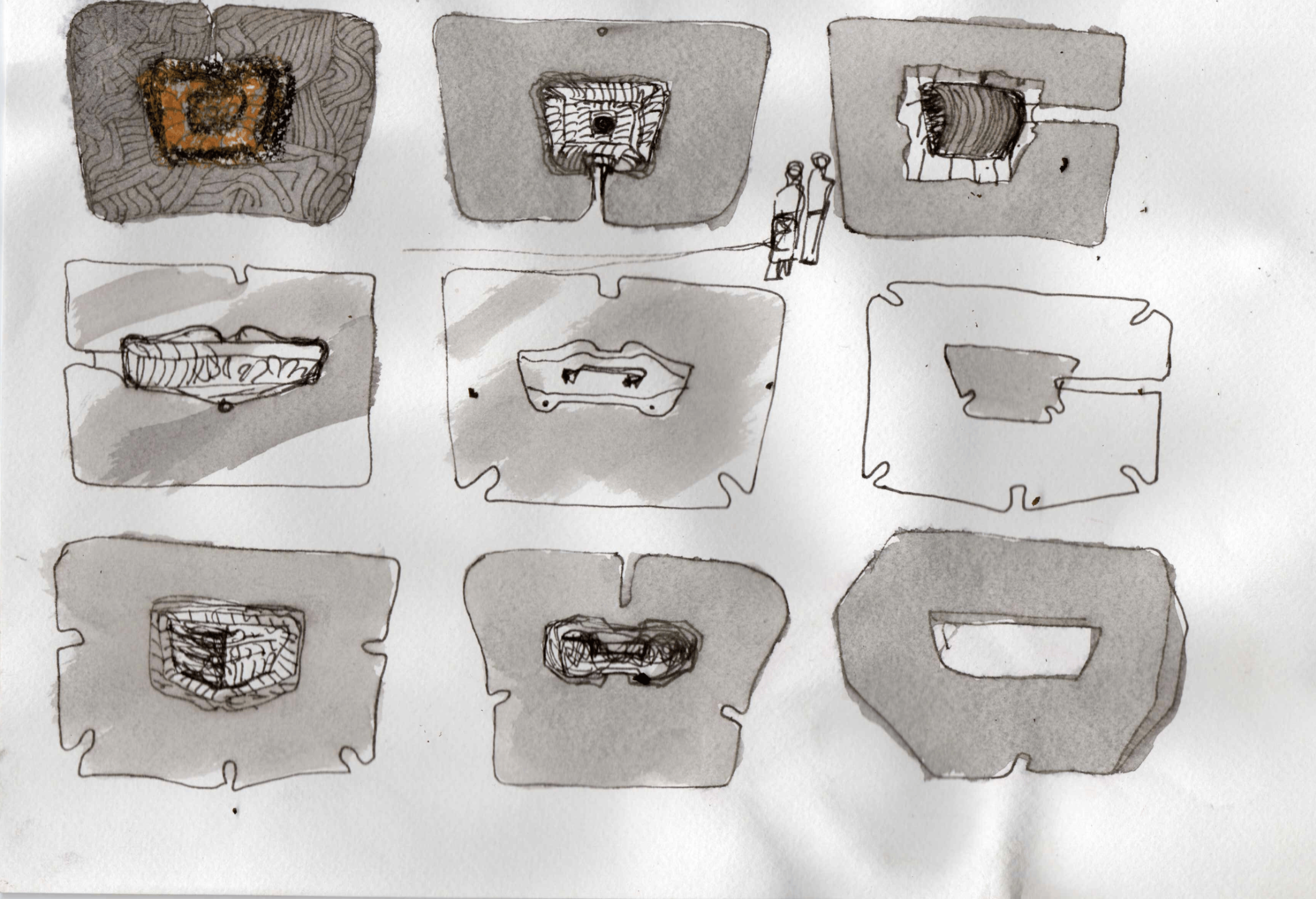
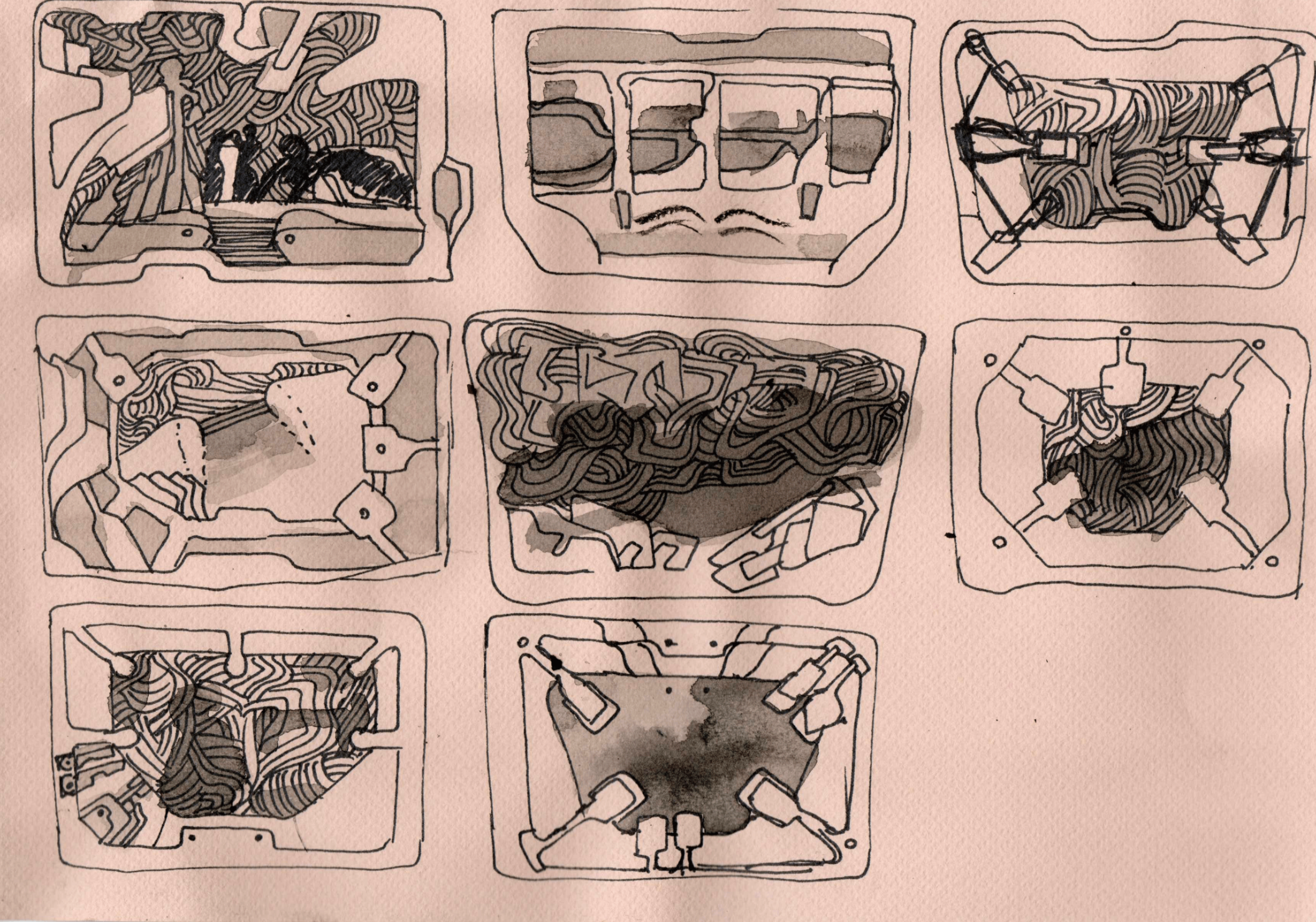
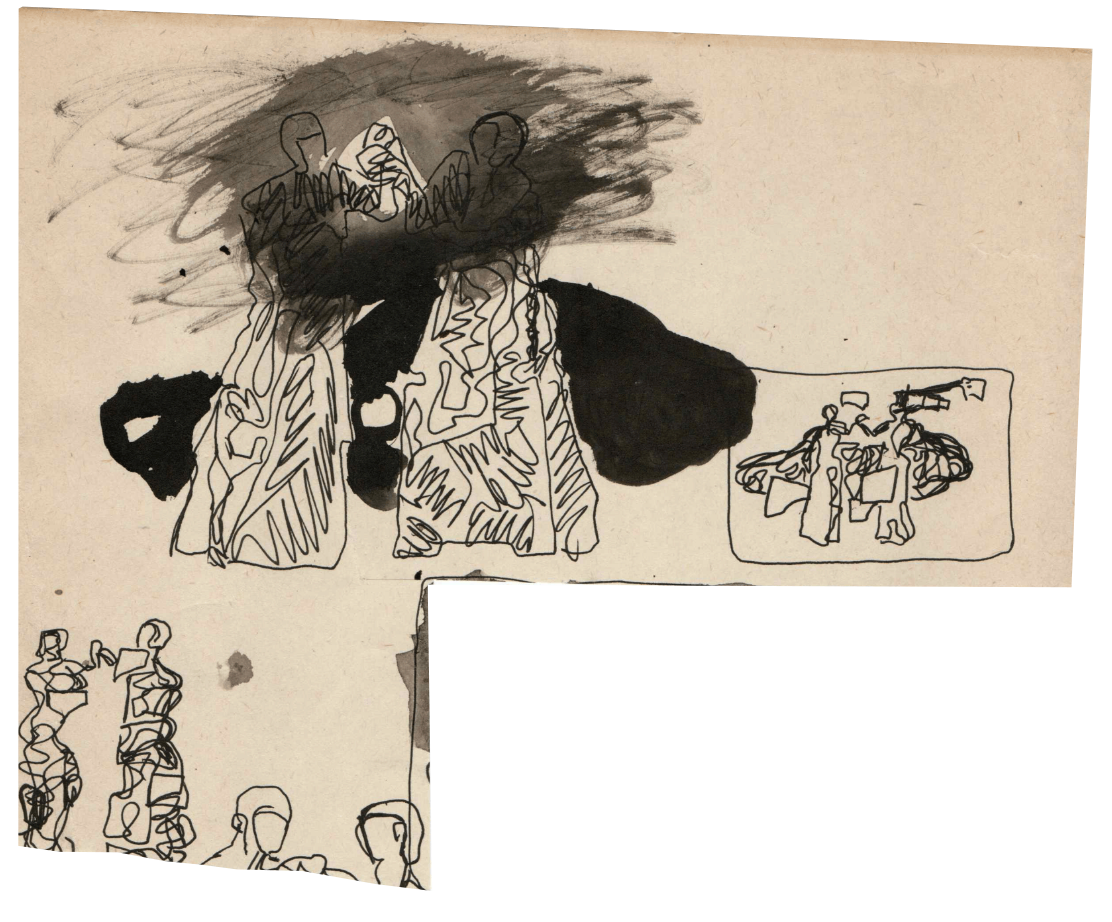
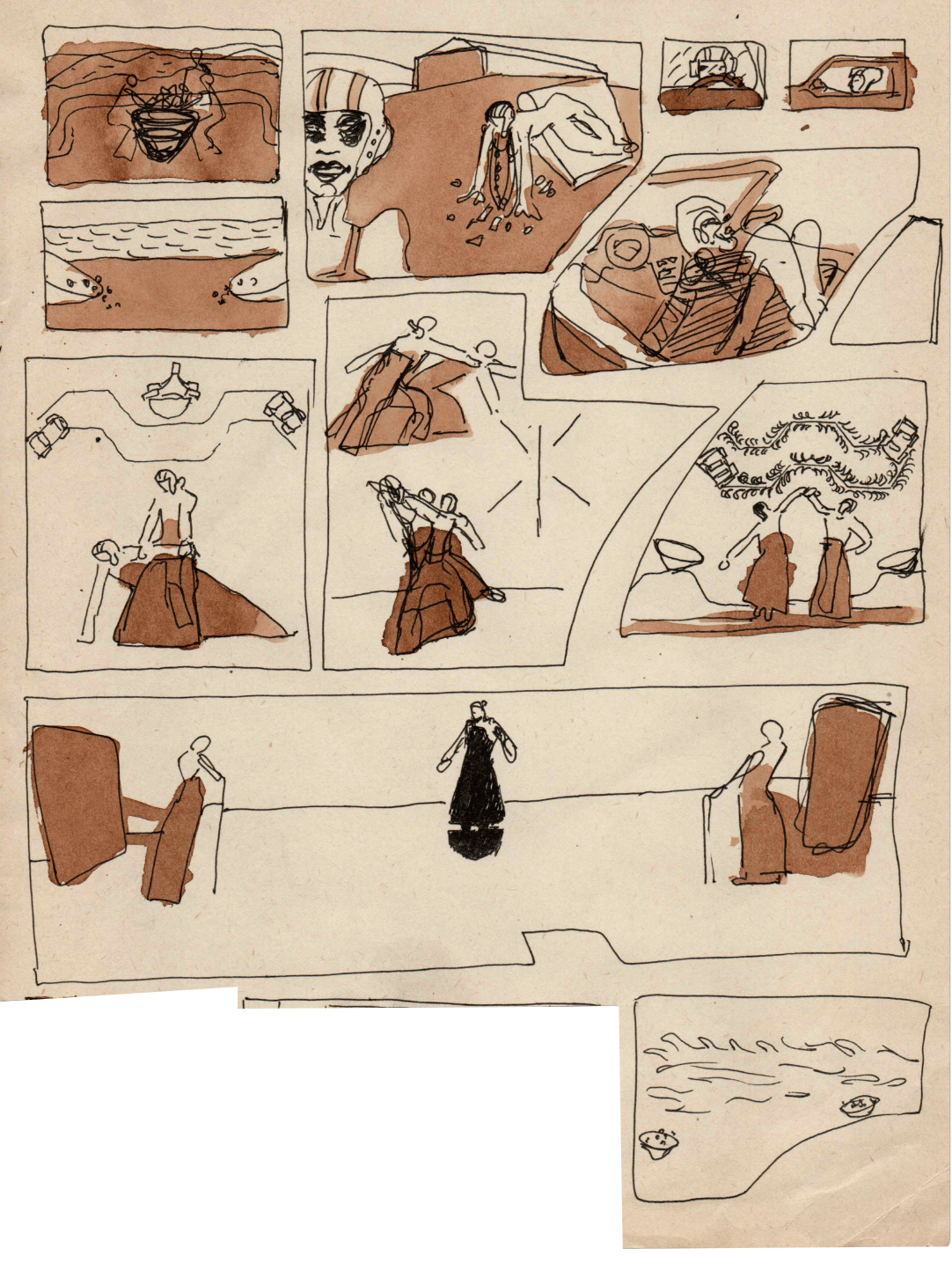
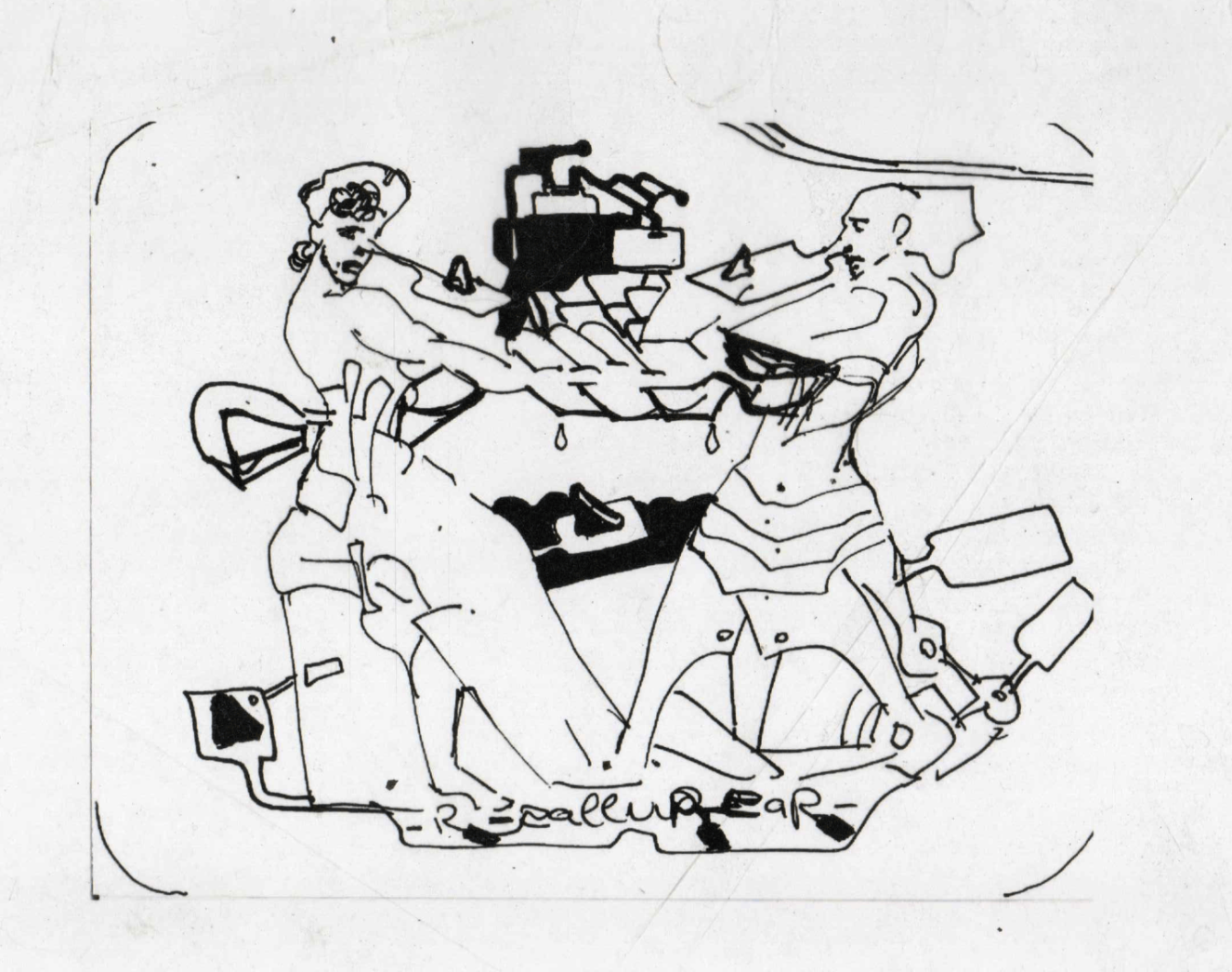
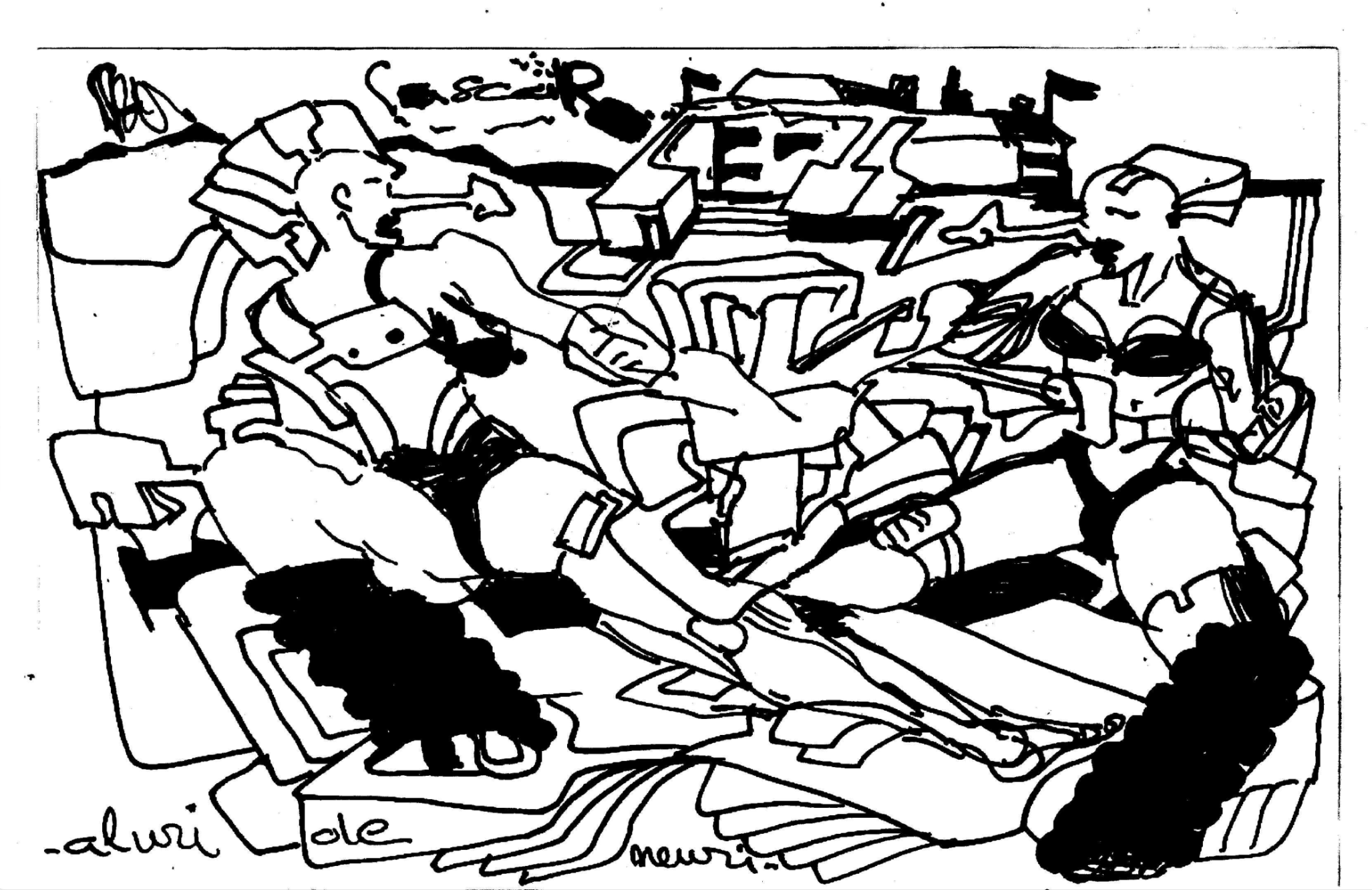
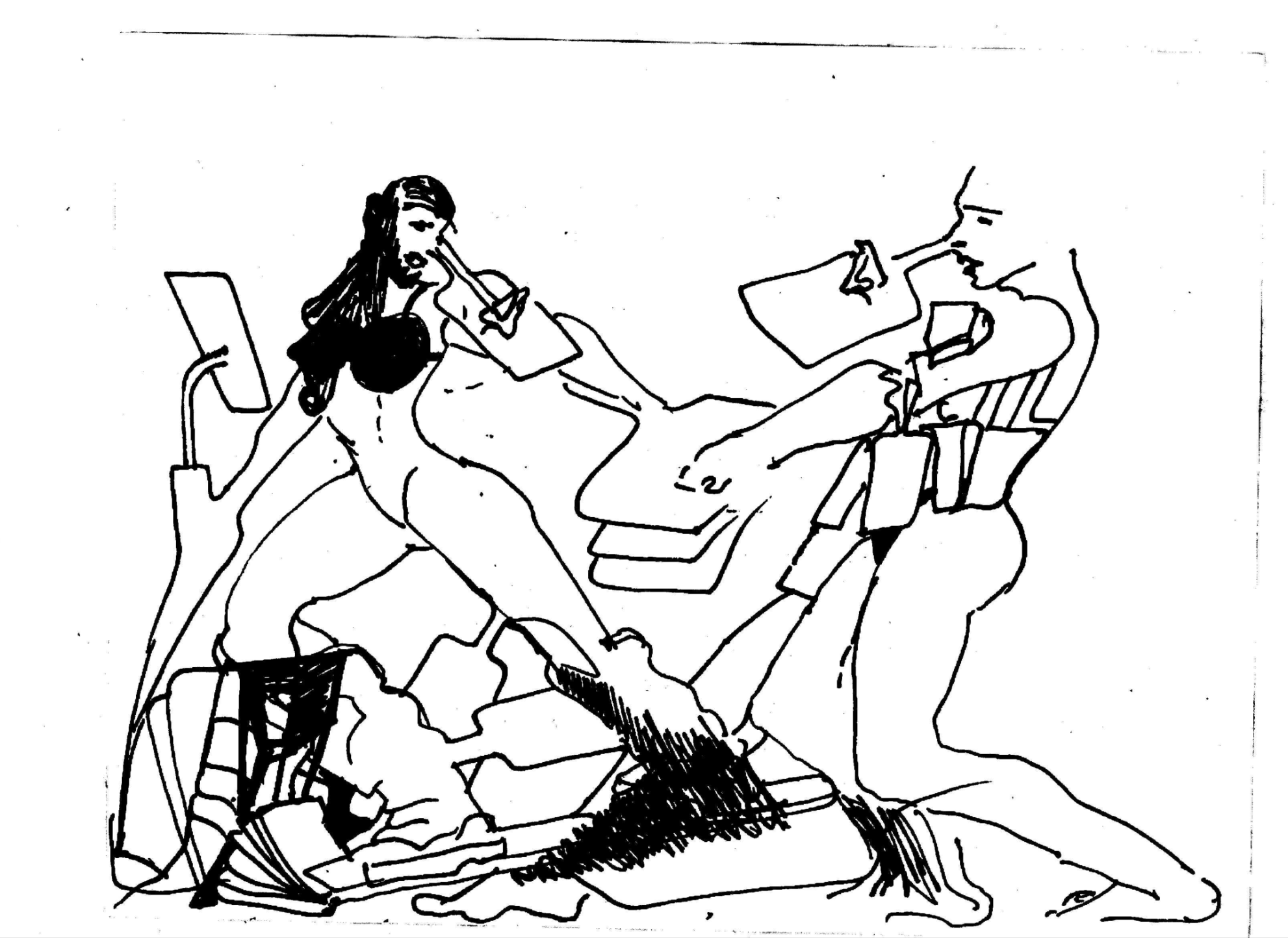
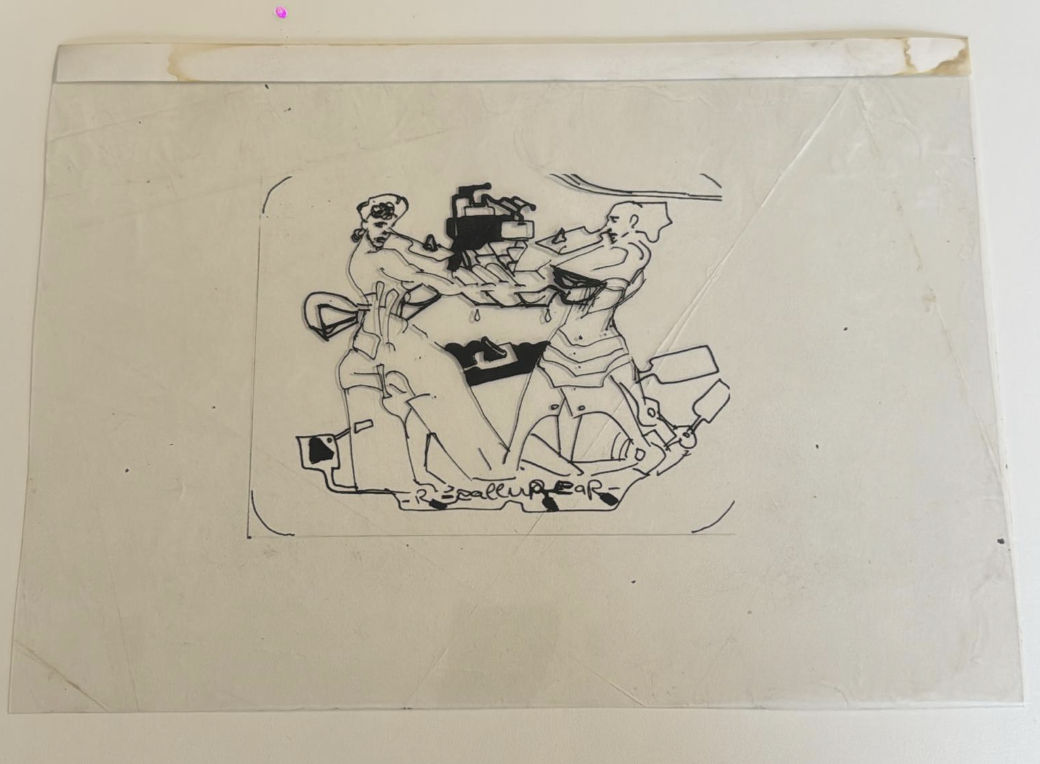
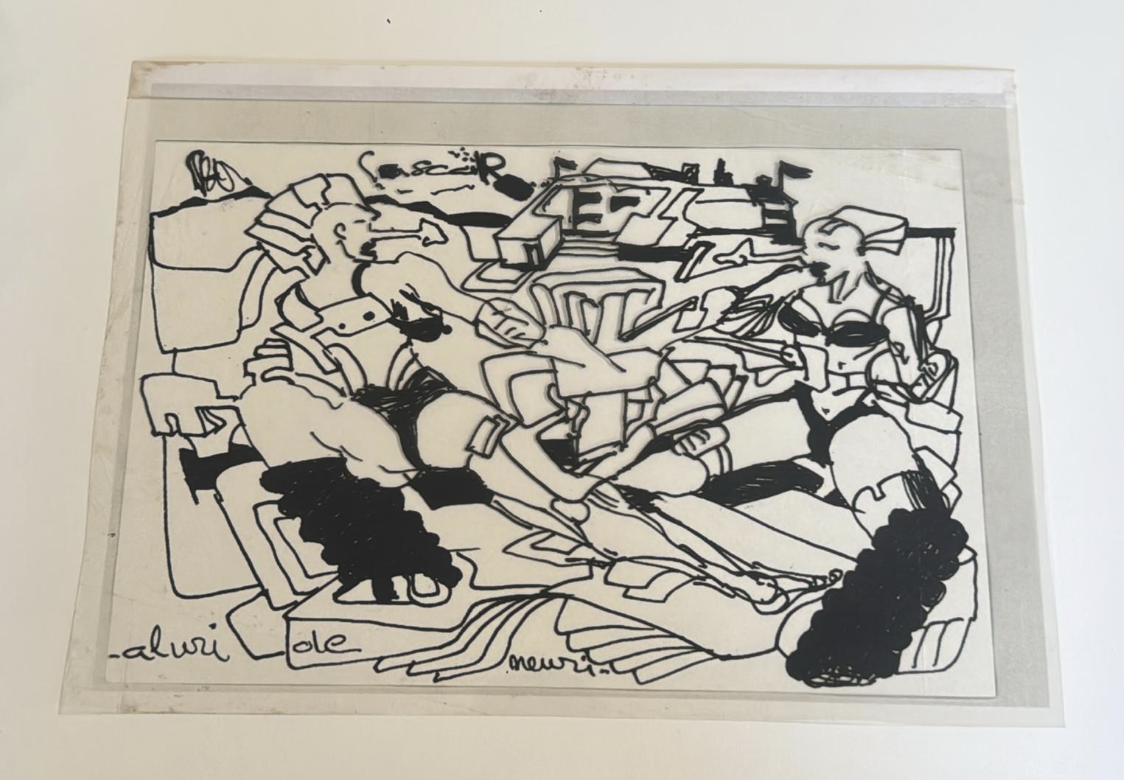
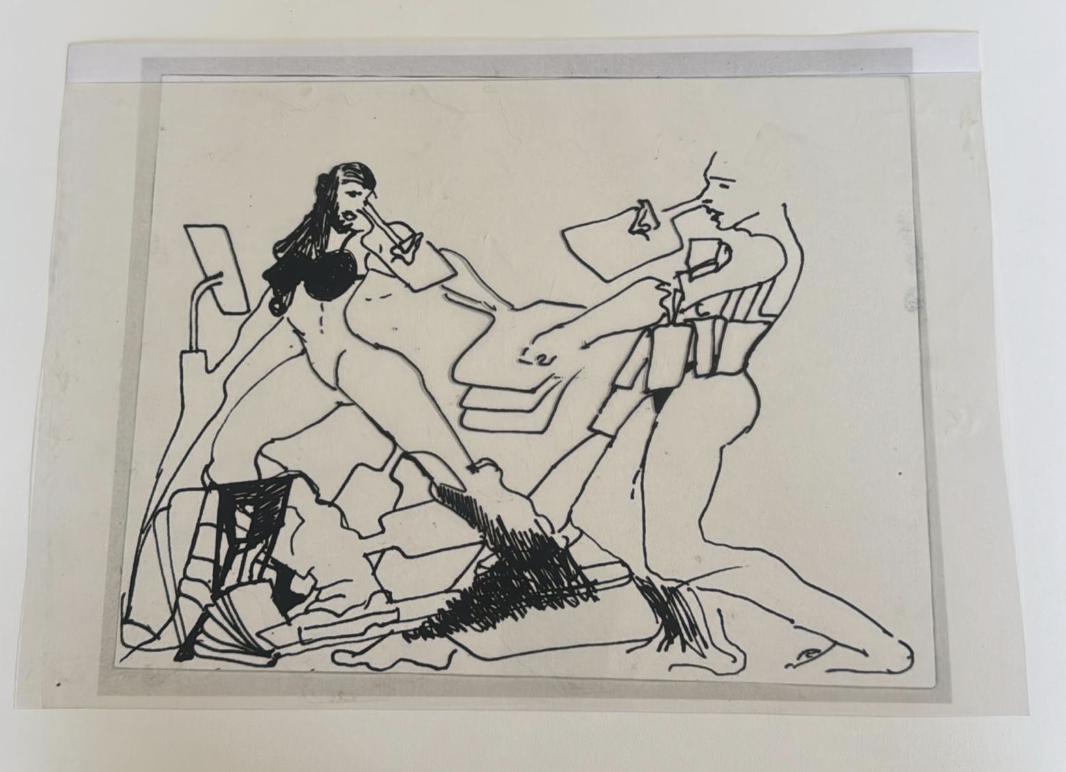
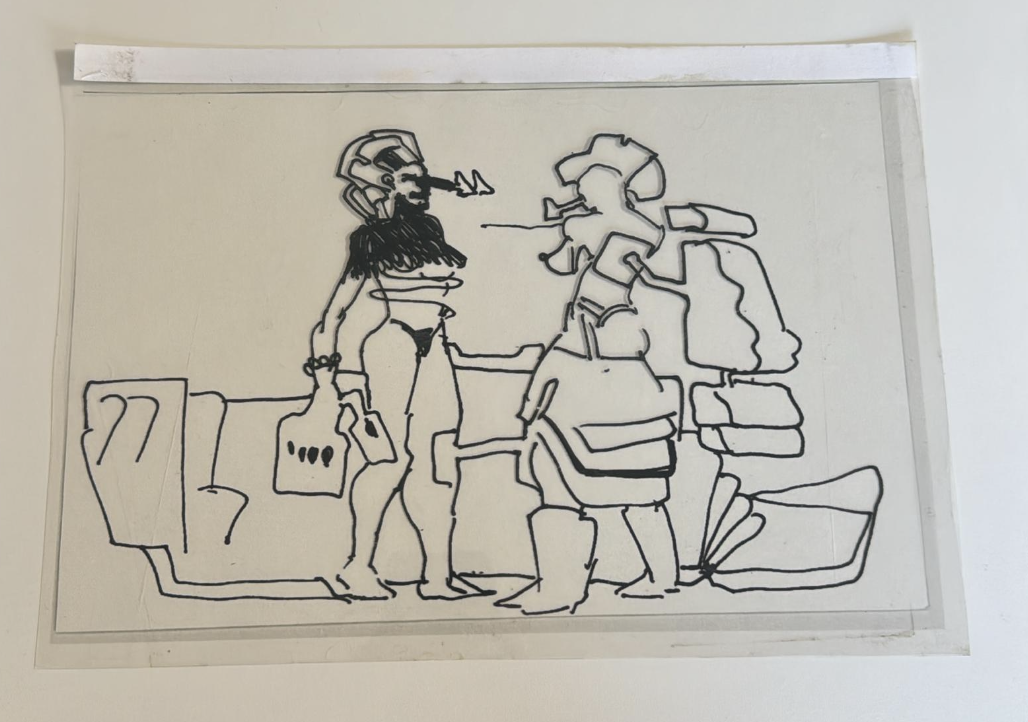
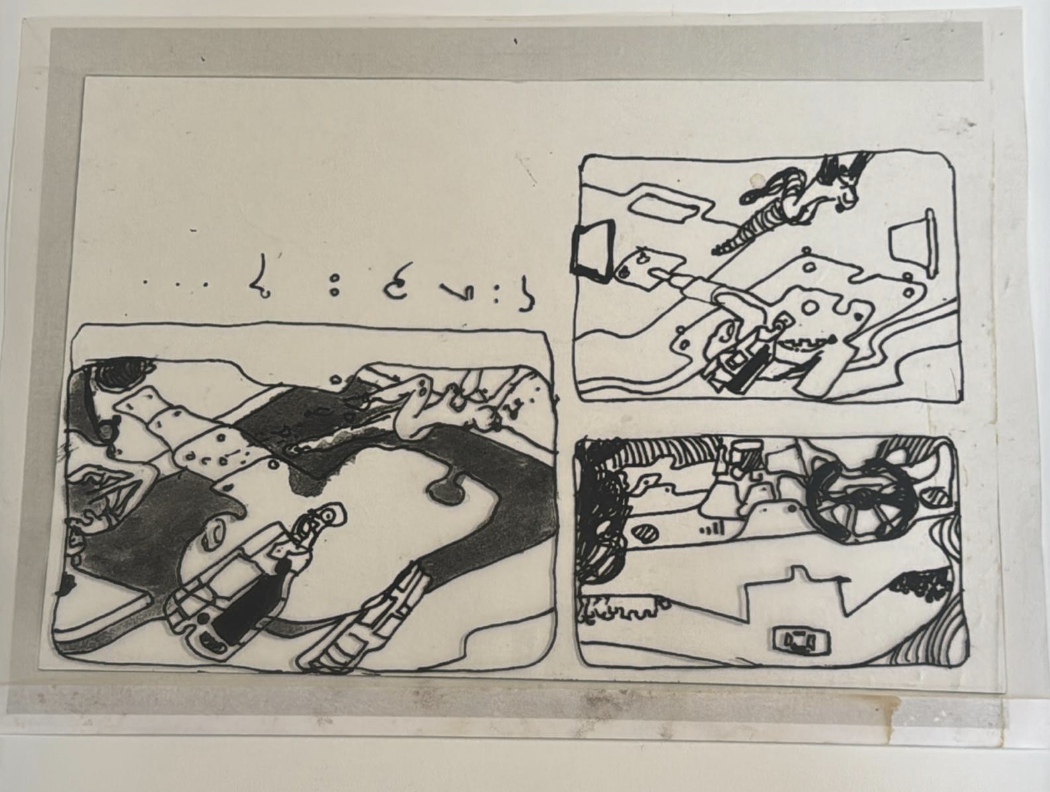
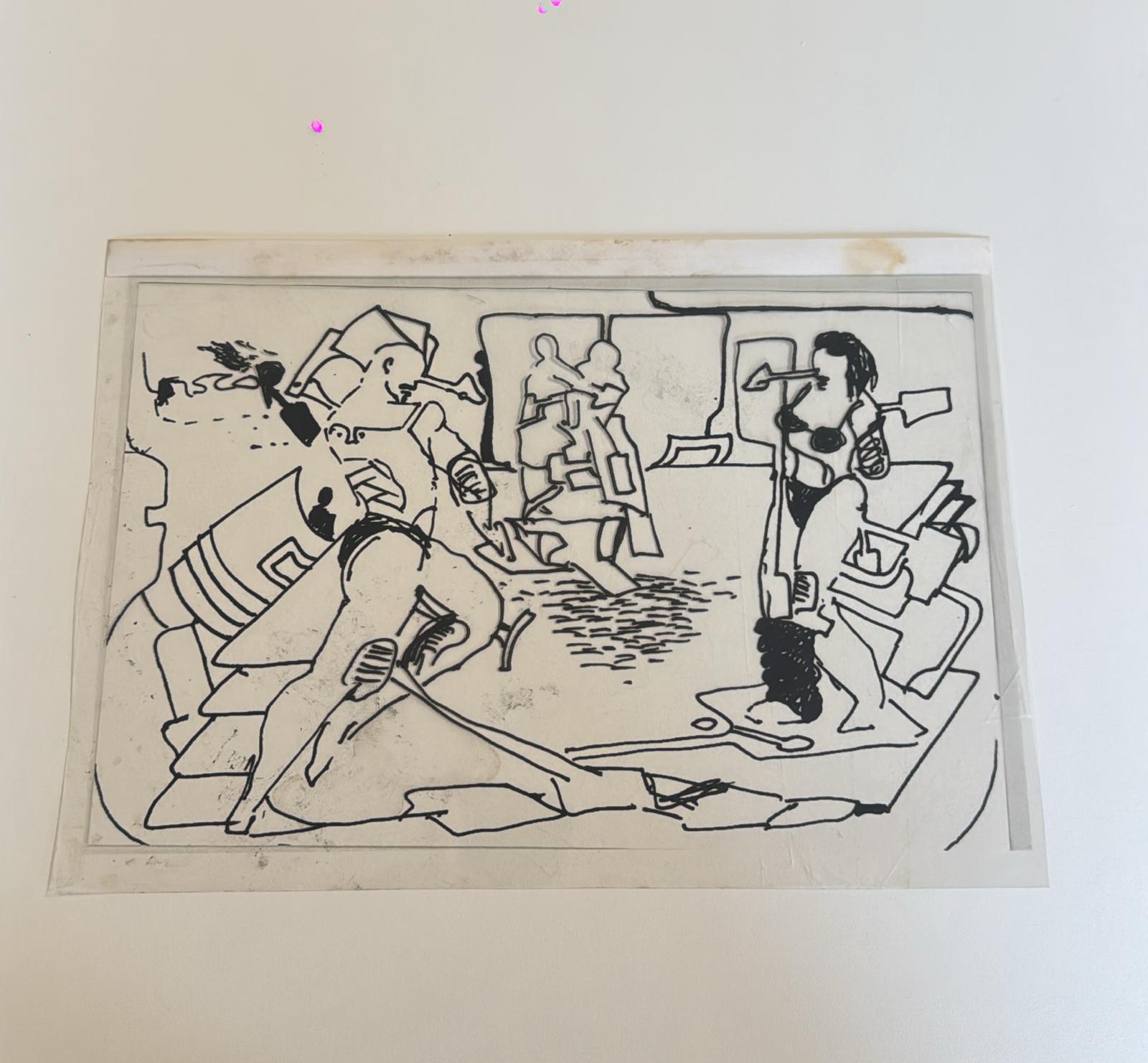
Sculpture functions as a system of controlled instability that directly engages the body. This paradigm redefines sculpture as an existential experience situated beyond the visual register. Sculpture acts as an active system that induces movement, instability, and direct bodily reaction. Two female bodies function as vectors of confrontation on a dynamic, unstable surface, in a simultaneous process of expulsion and stabilization. The interaction generates a battlefield-fitness type of field, in which raw and unpredictable muscular reactions are converted into an aesthetic constructive gesture. The performance appears as an emergent effect of the system. Sculpture sculpts the being.
Principles
- Sculpture functions as an active system for inducing movement.
- The body becomes a moldable medium, the medium of structural transformations.
- Instability is a generative mechanism.
- The conflictual relationship replaces static composition.
- Form results from physiological reaction.
What is new?
Sculpture is no longer merely looked at, but is activated through the body. Form produces measurable physiological responses through movement, balance, and muscular tension. “Sculpture sculpts the being” becomes an operational principle, not a metaphor.
2. TRANSCENDENT CYBERMATERIALISM
Academic Text
Transcendent Cybermaterialism marks the second paradigm of Cortextualism, in which the focus shifts from the body, as the primary site of activation, toward matter, as an active and structuring field. If Neurophysiological Sculpture functions through the direct engagement of the body, this paradigm reconfigures the status of matter itself. Matter is no longer perceived as a passive support for form, but as an active medium, capable of organizing, carrying, and expressing the latent code. The second paradigm marks a conceptual mutation: matter is no longer just a physical support, but is conceived as a structure capable of containing and transmitting code. The code is the latent principle of self-regulation that governs the transformation of matter, perception, and consciousness into a plastic structure. The term “cyber” does not indicate the use of digital technology, but rather designates the emergence of a logic of self-regulation, flow, and relationality. The “electric” functions here as an operational metaphor for processes of activation and propagation, not as a technical infrastructure. At this stage, sculpture becomes a field of algorithmic potential, where the relationships between elements are more relevant than stable form. The absence of access to technology does not constitute a limitation, but rather maintains the system in an abstract, ontological state.
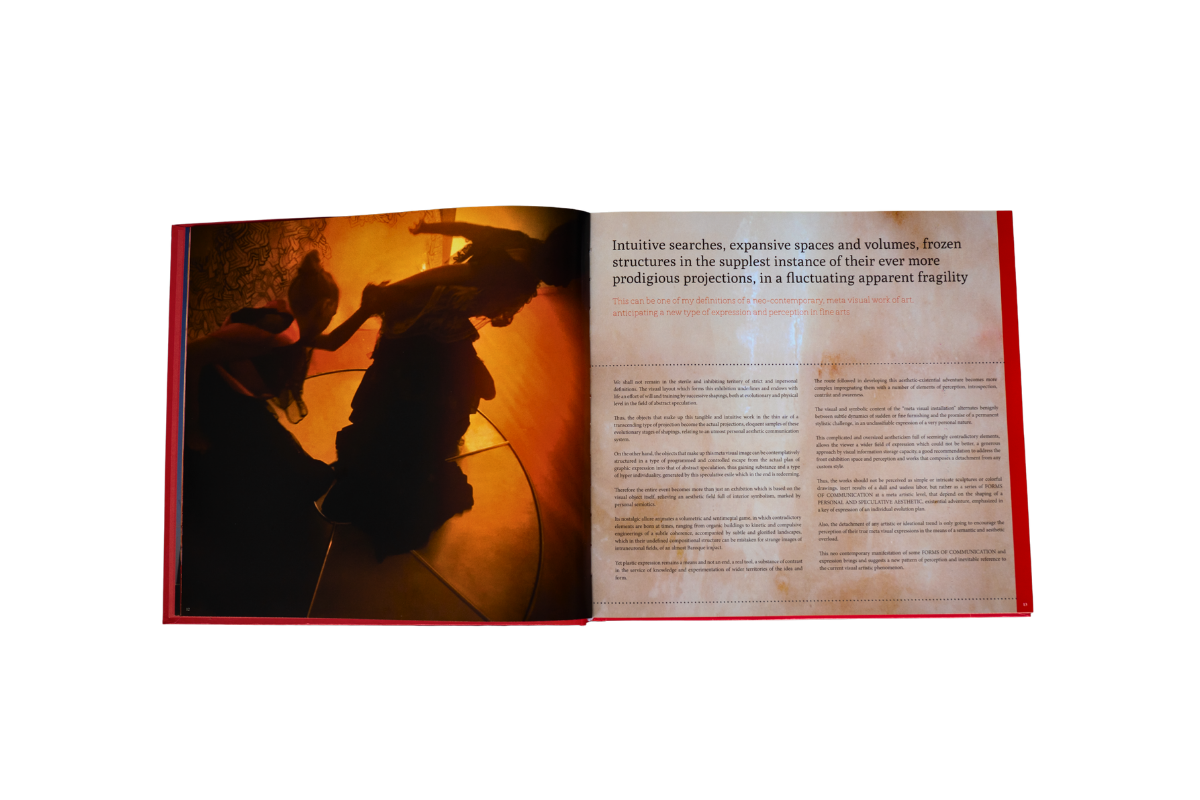
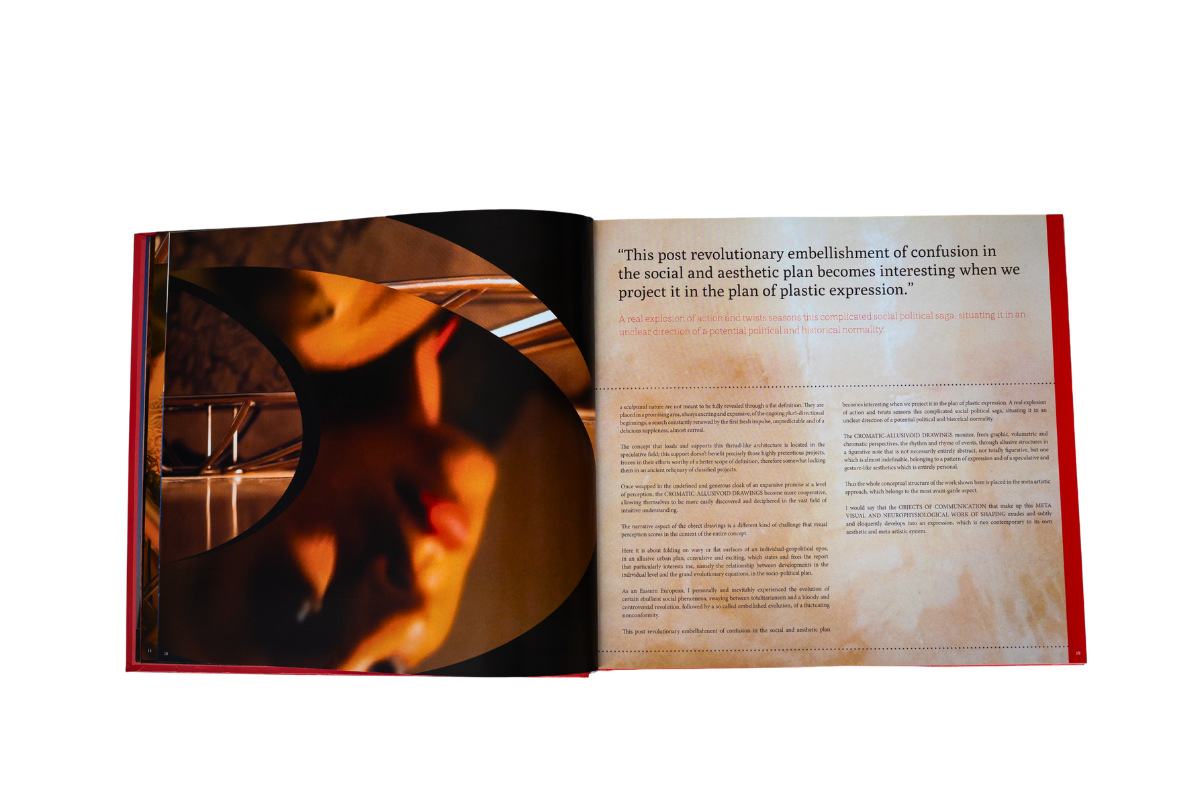
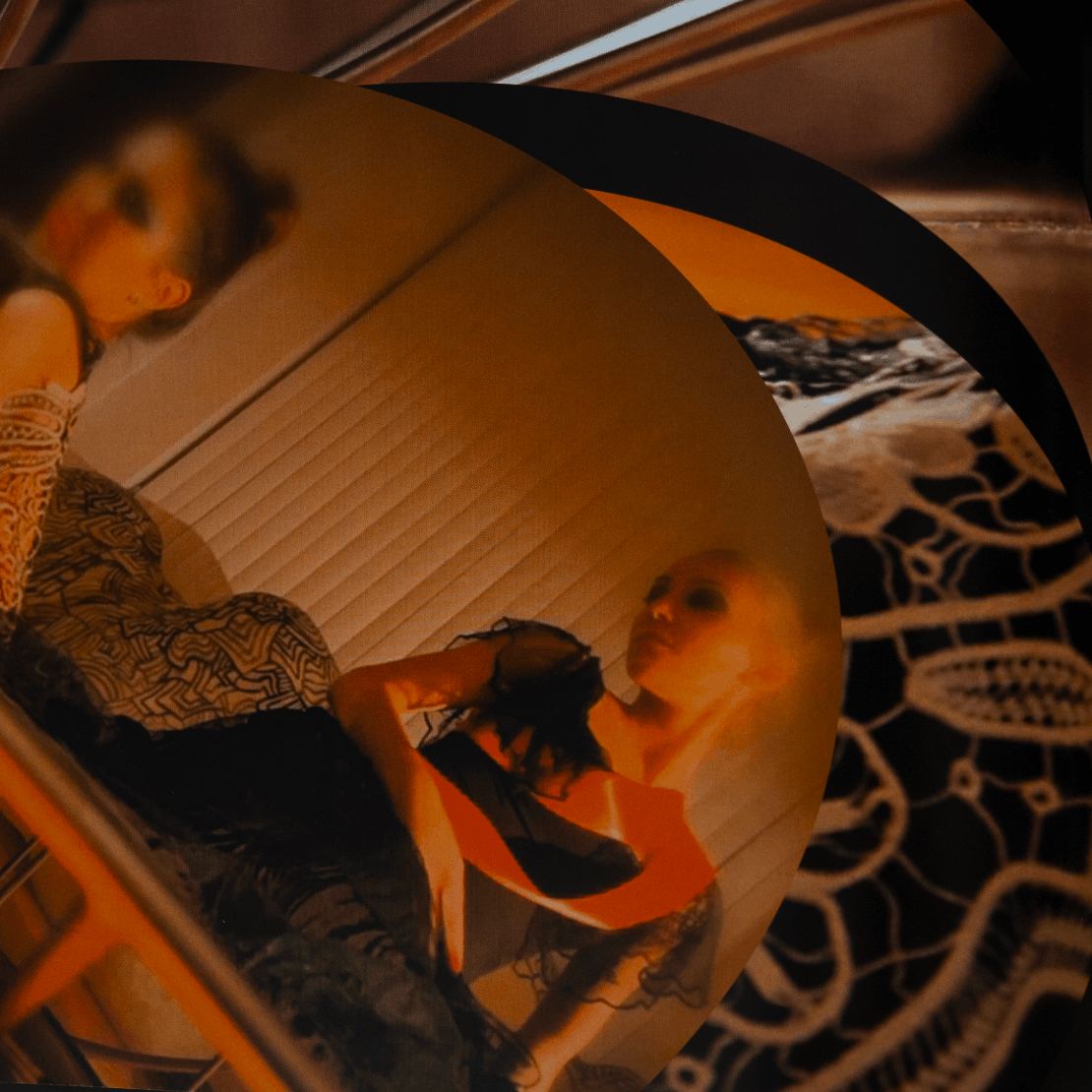
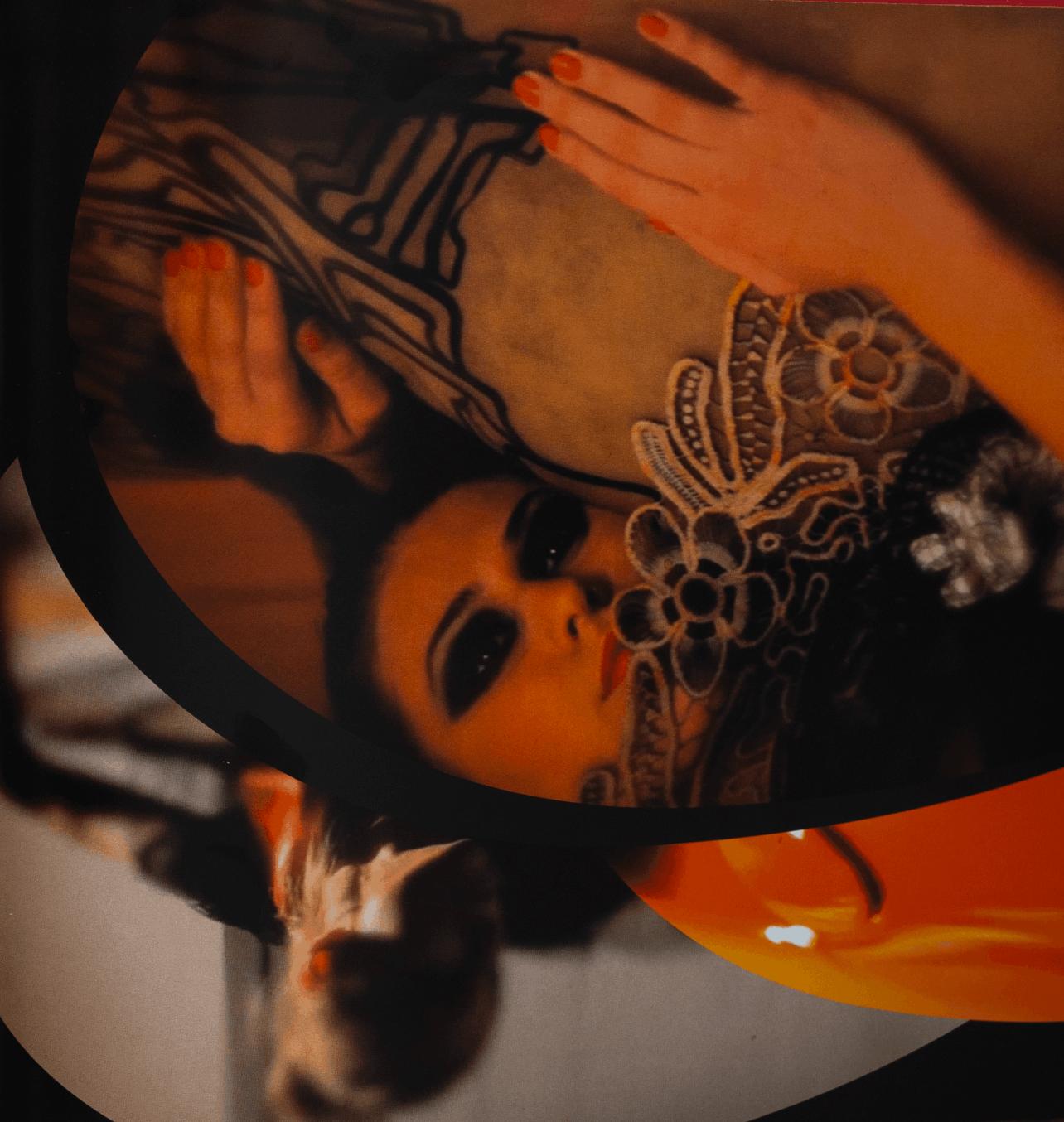
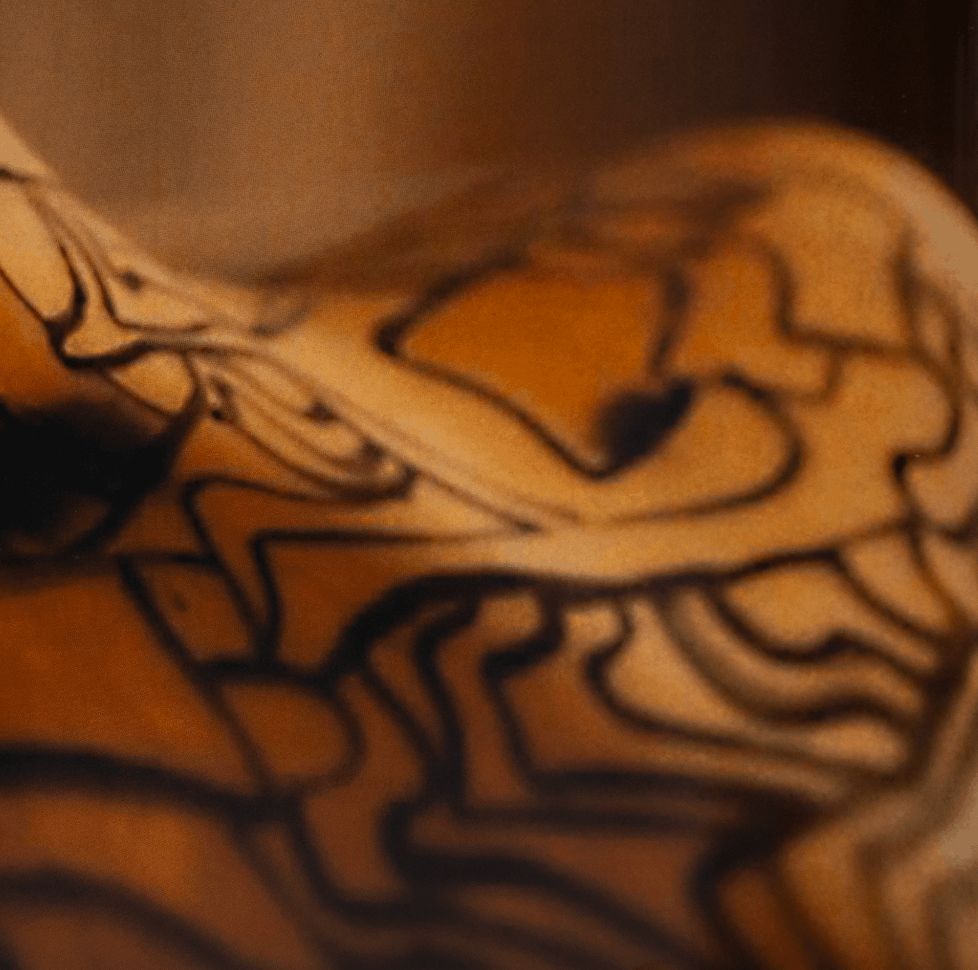
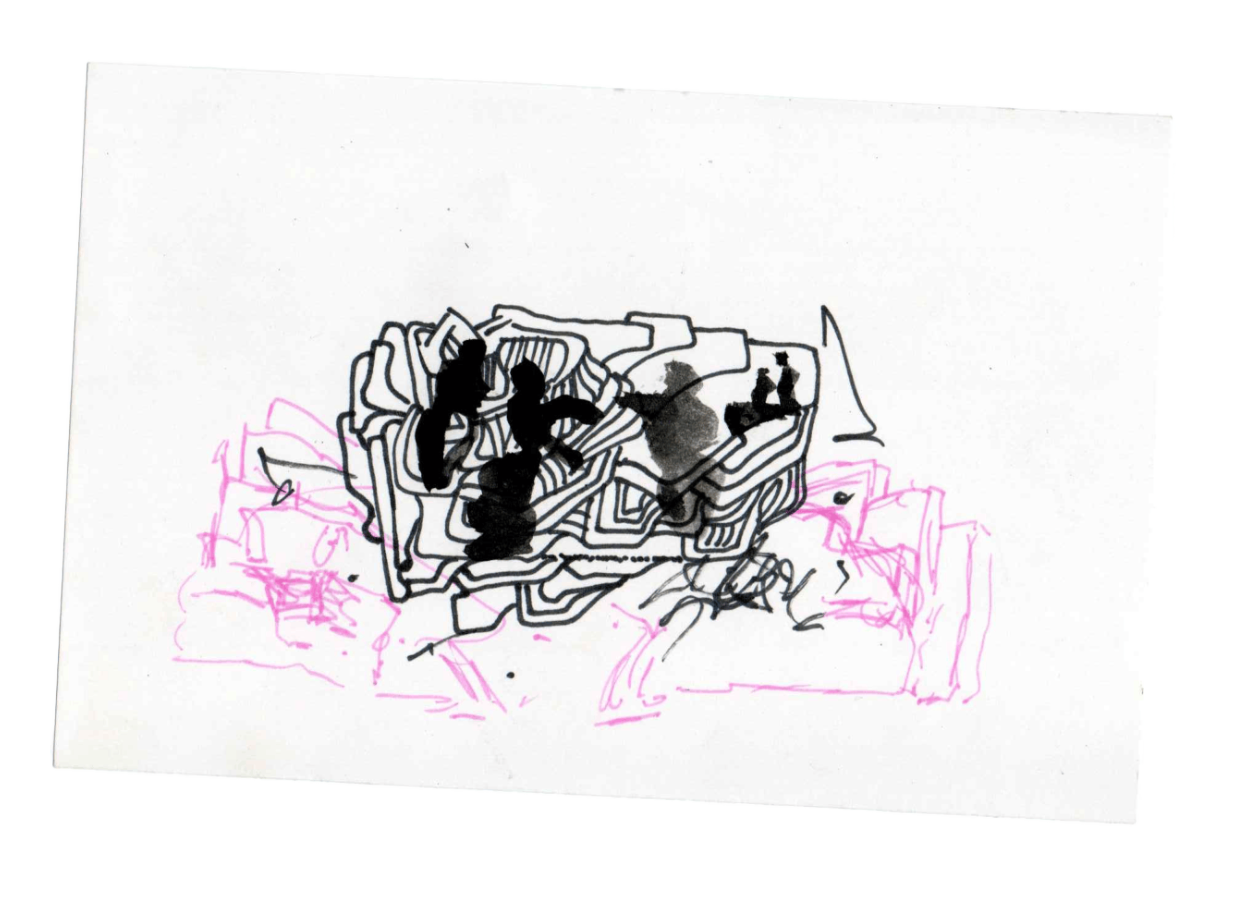
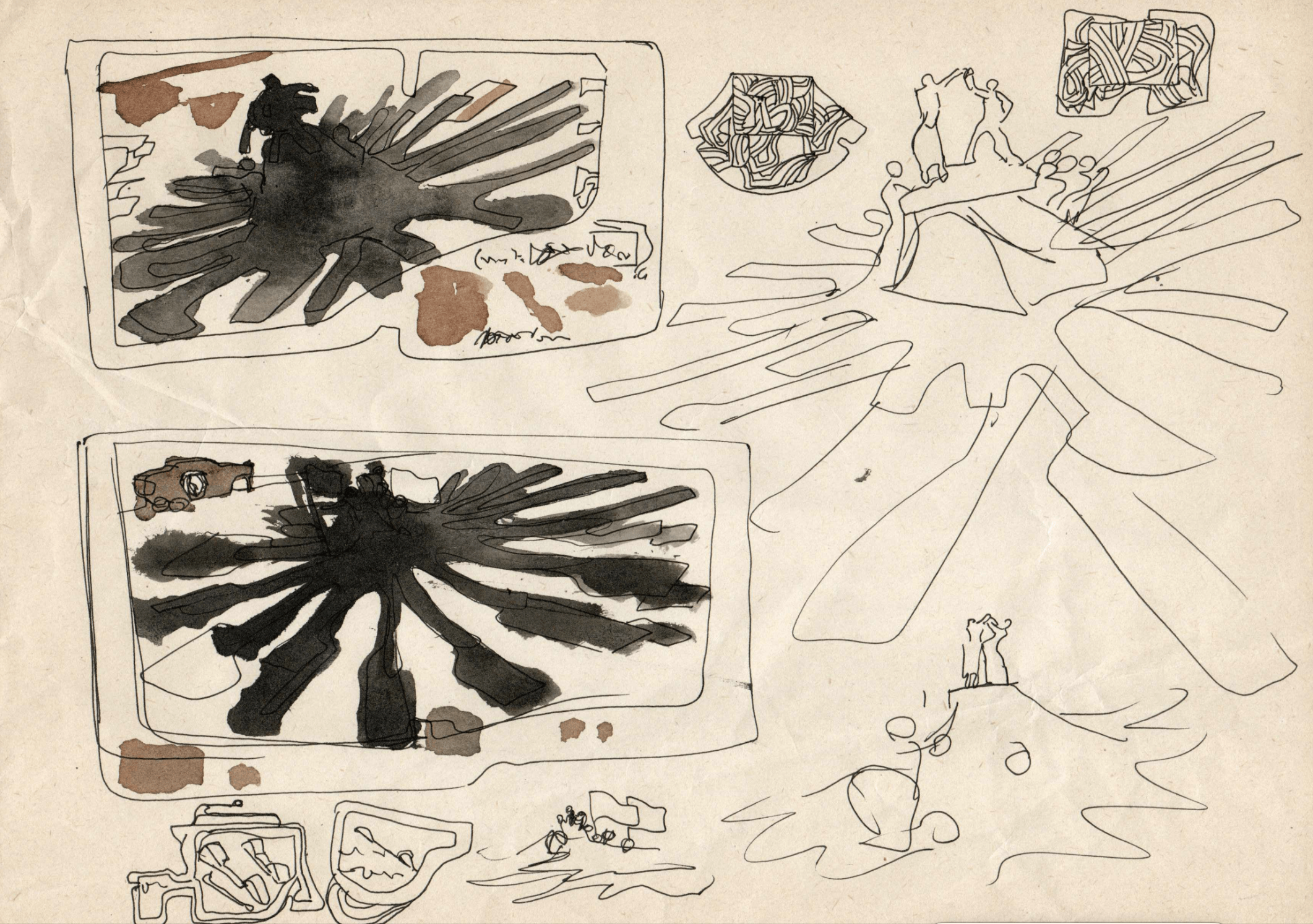
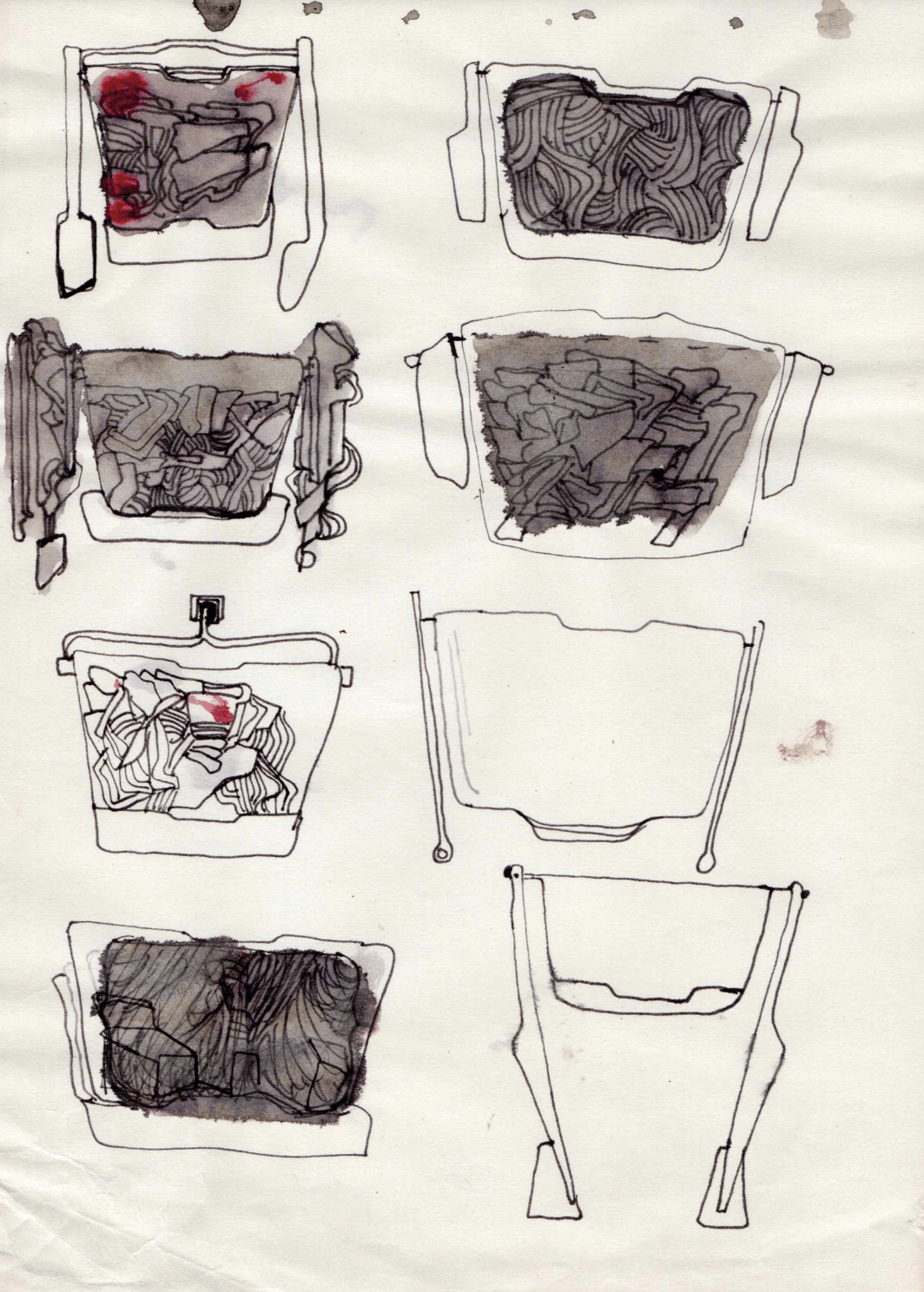
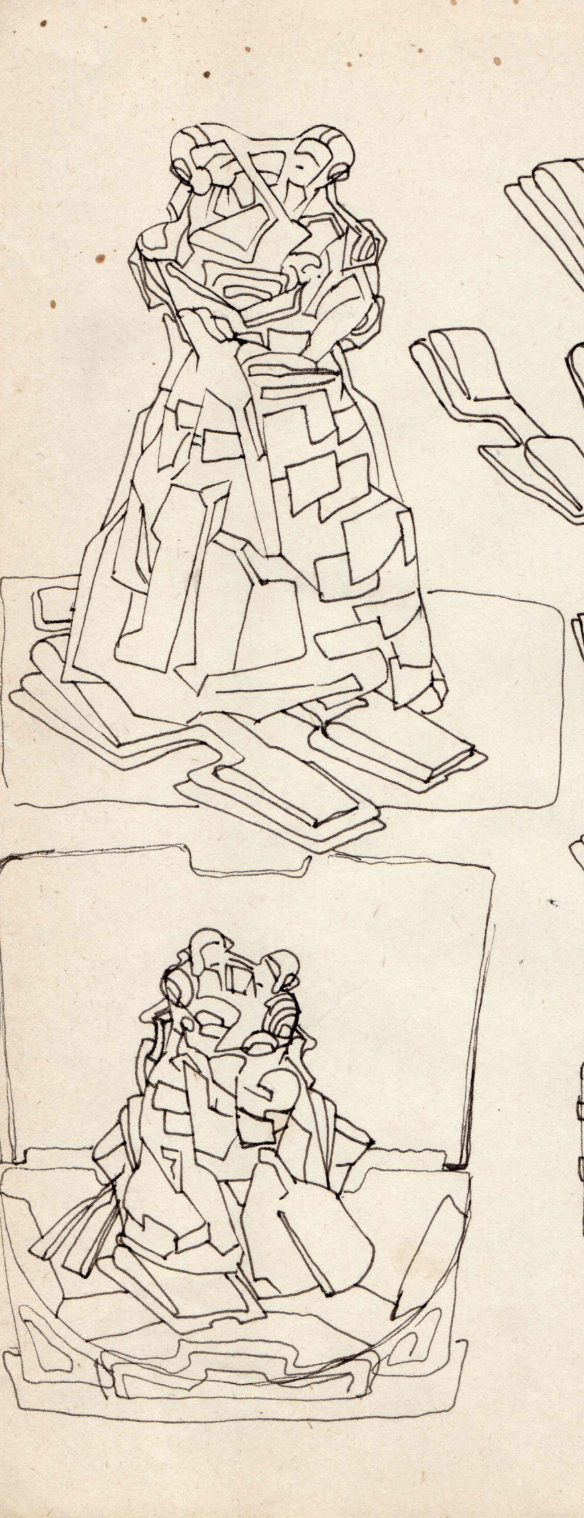
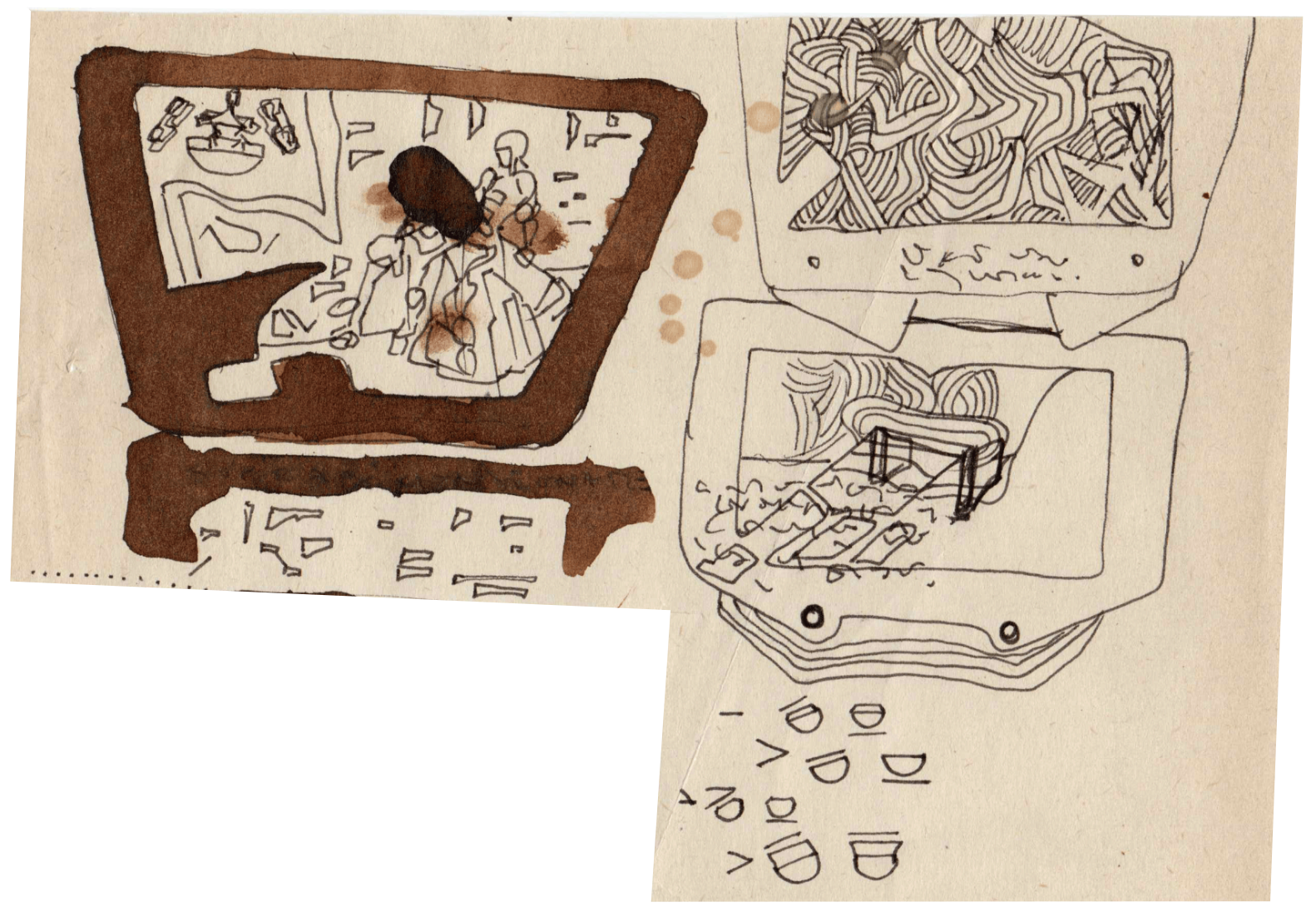
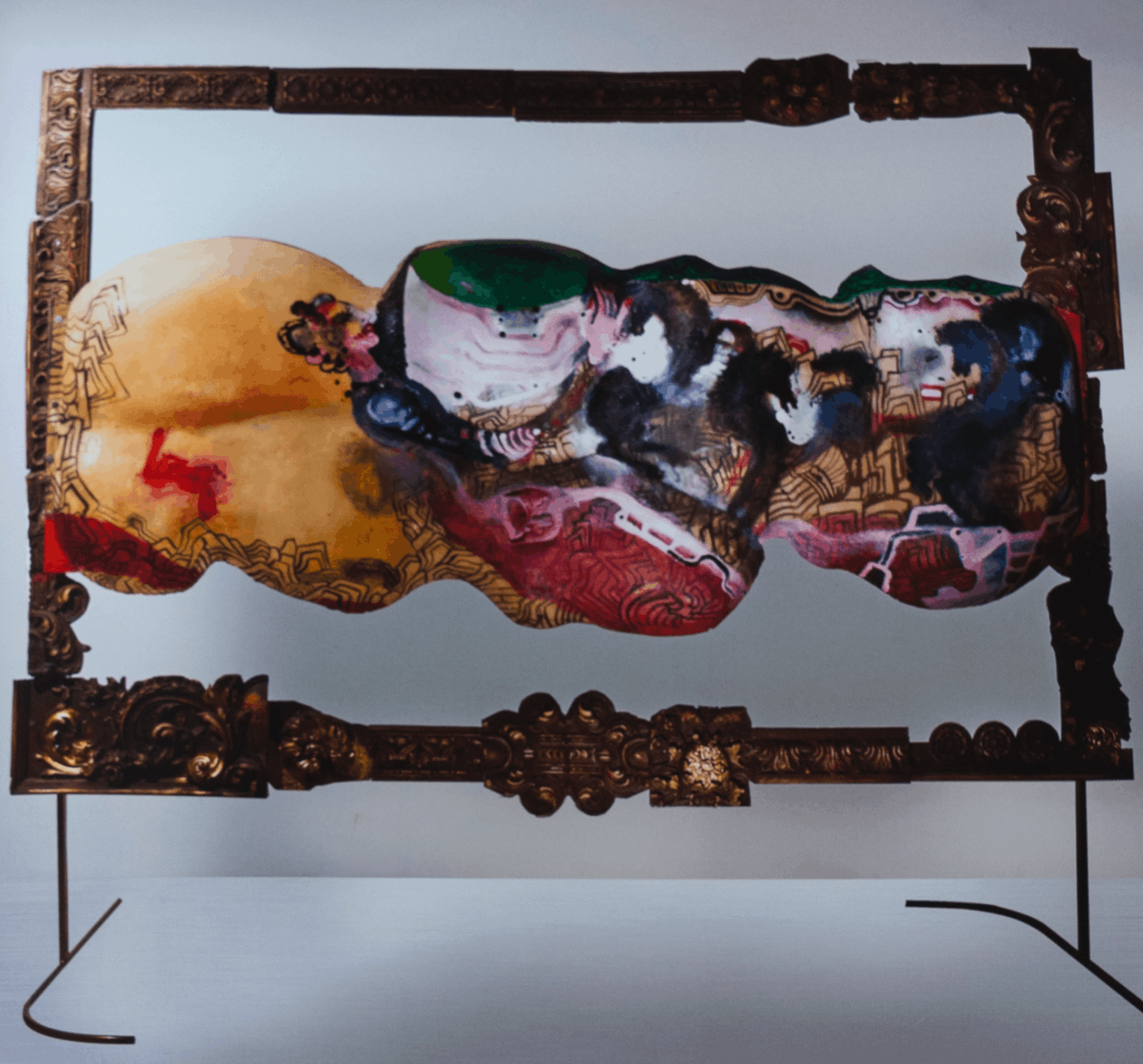
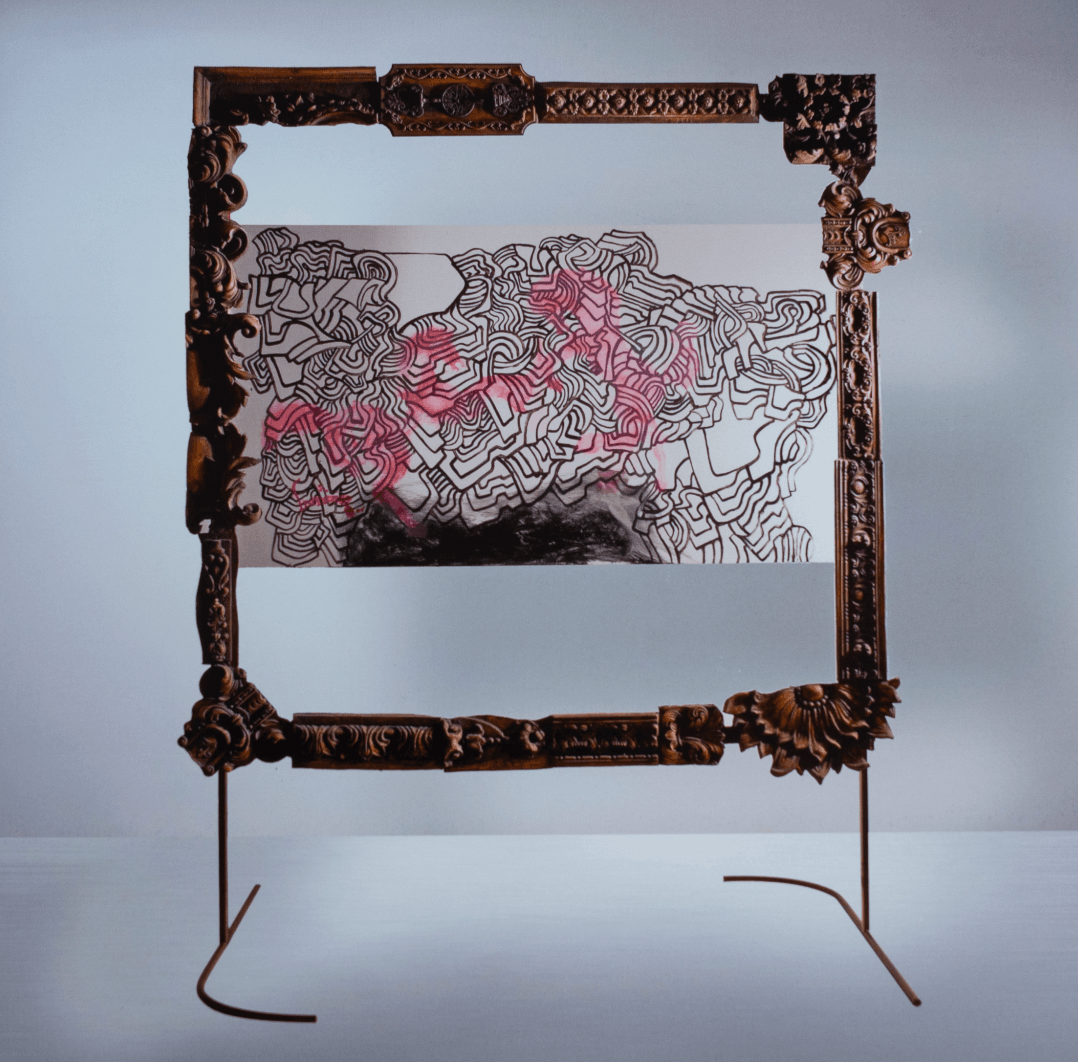
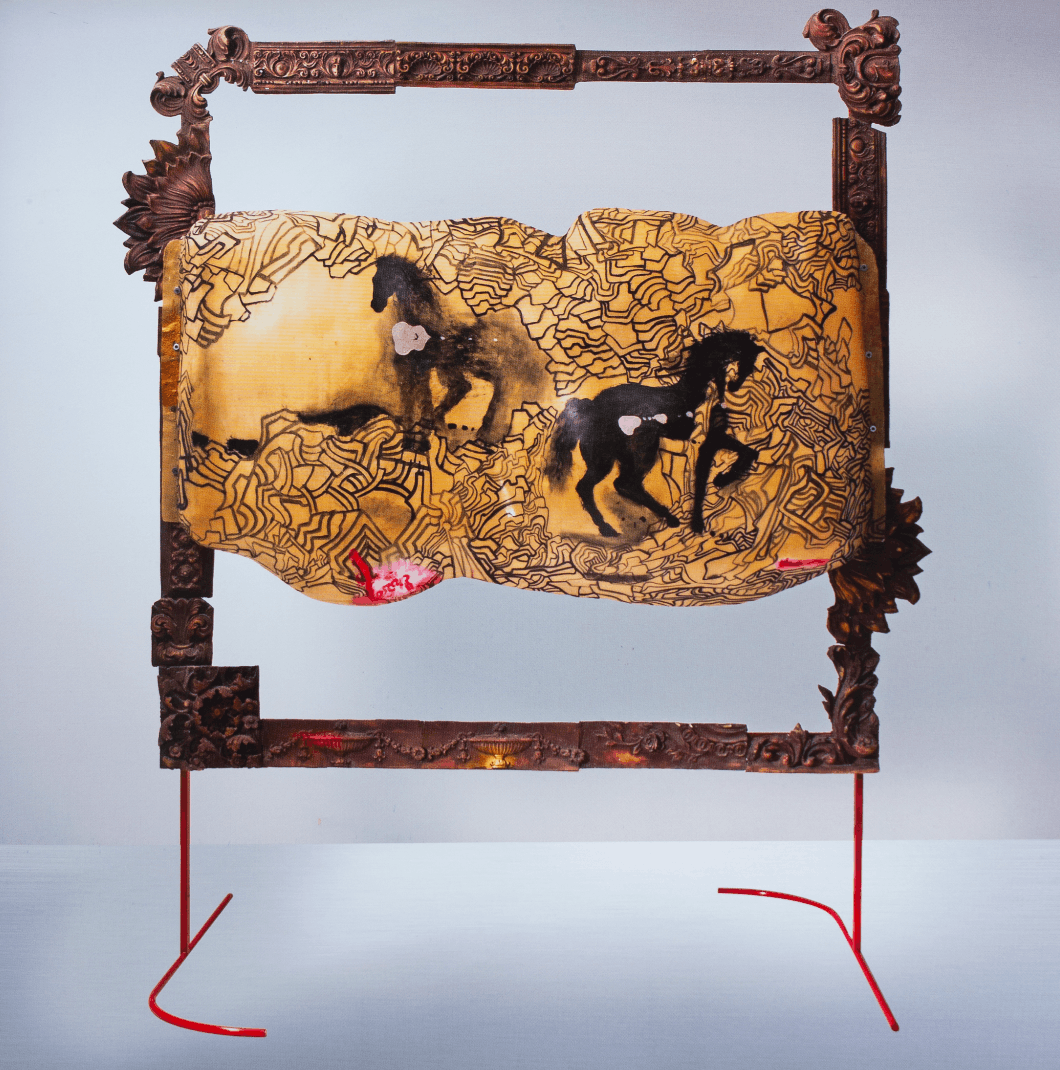
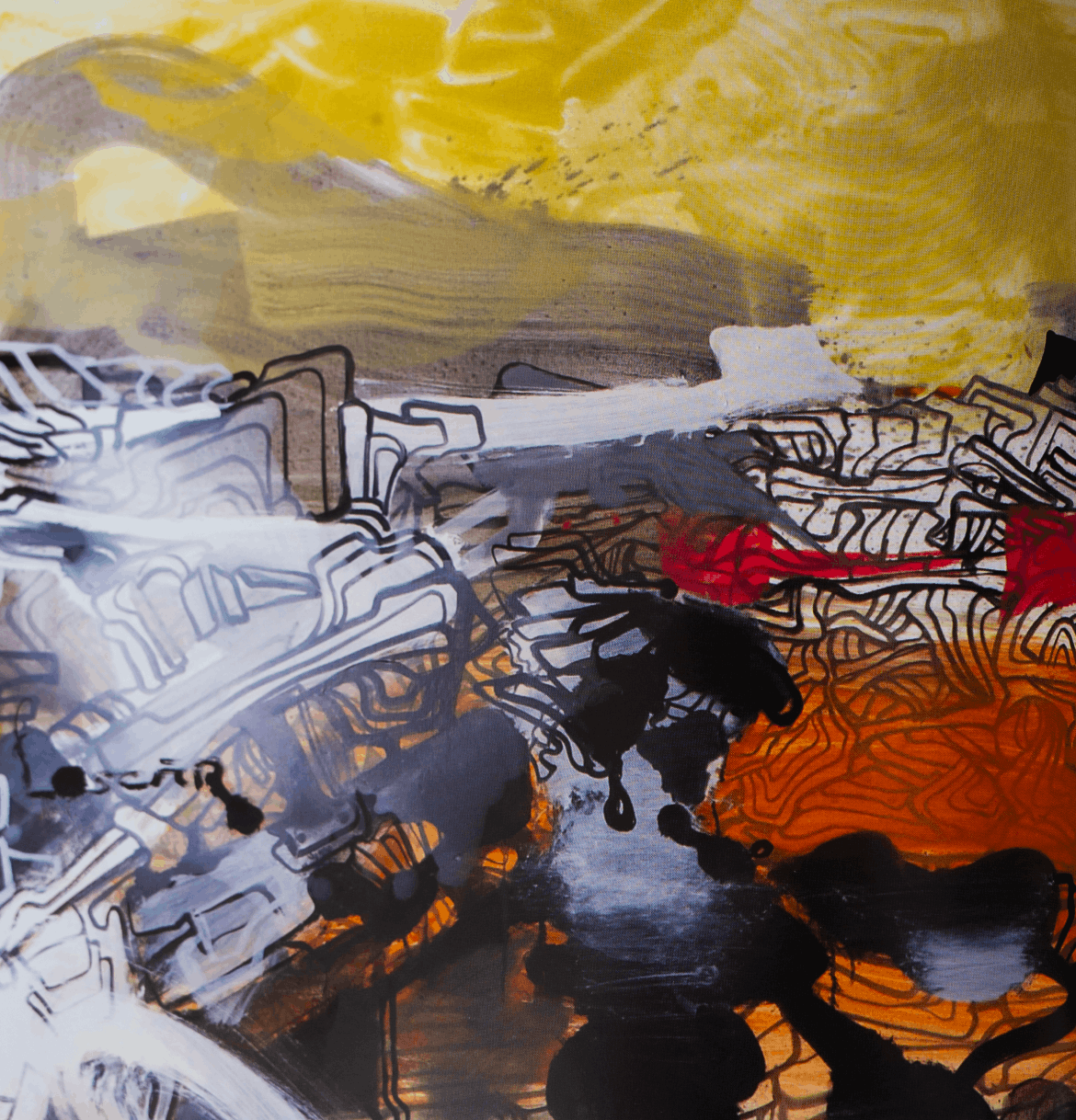
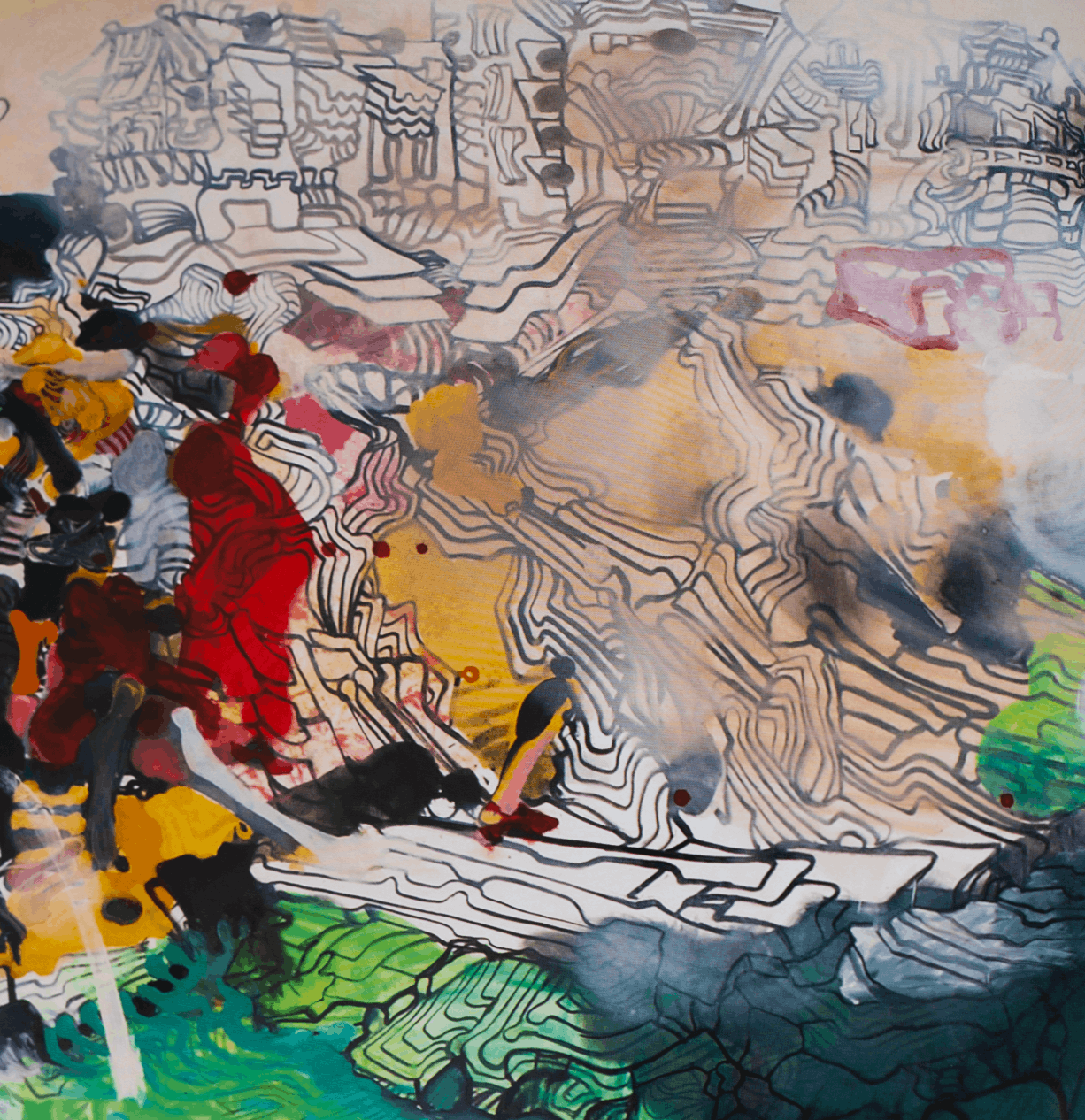
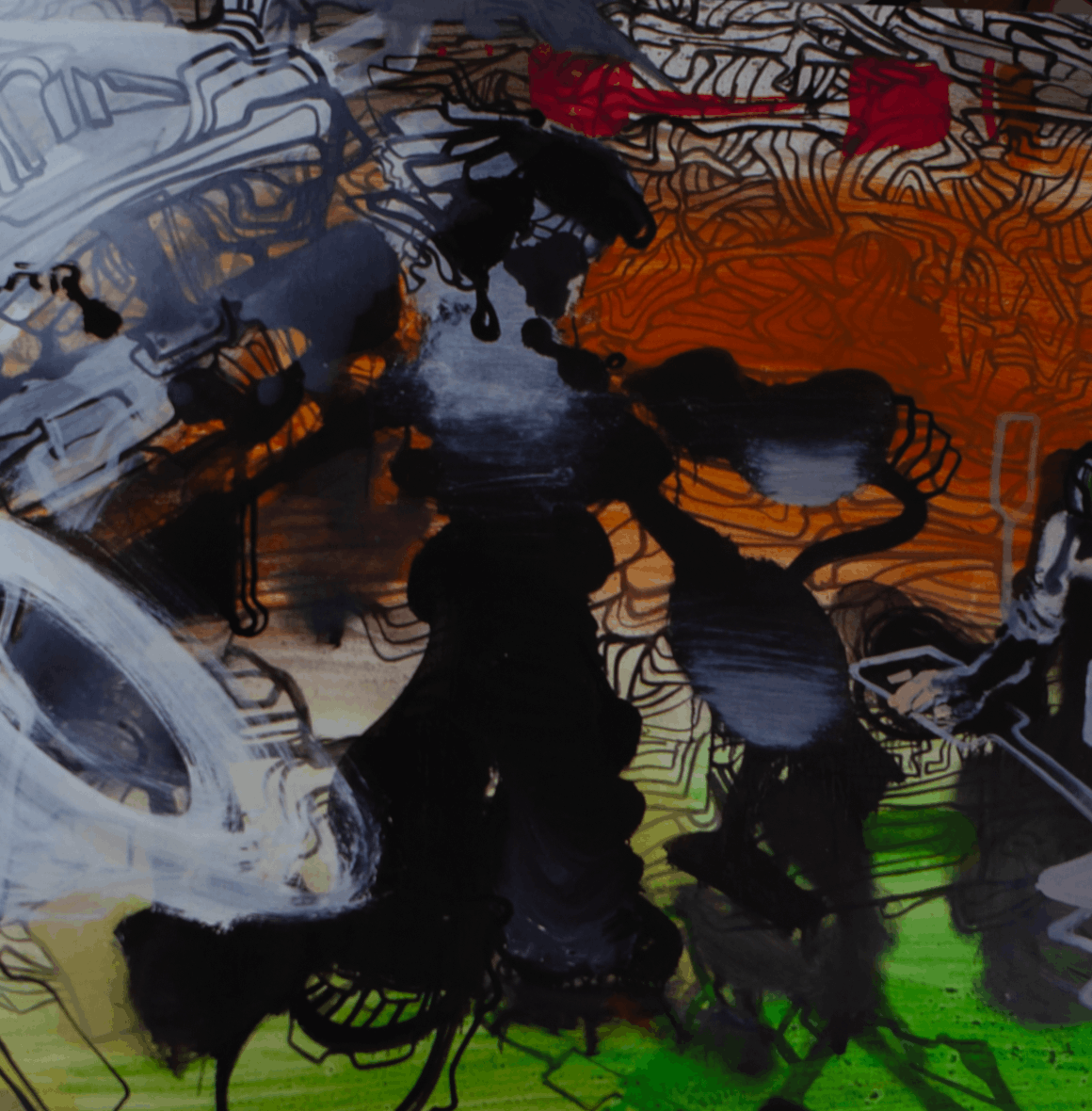
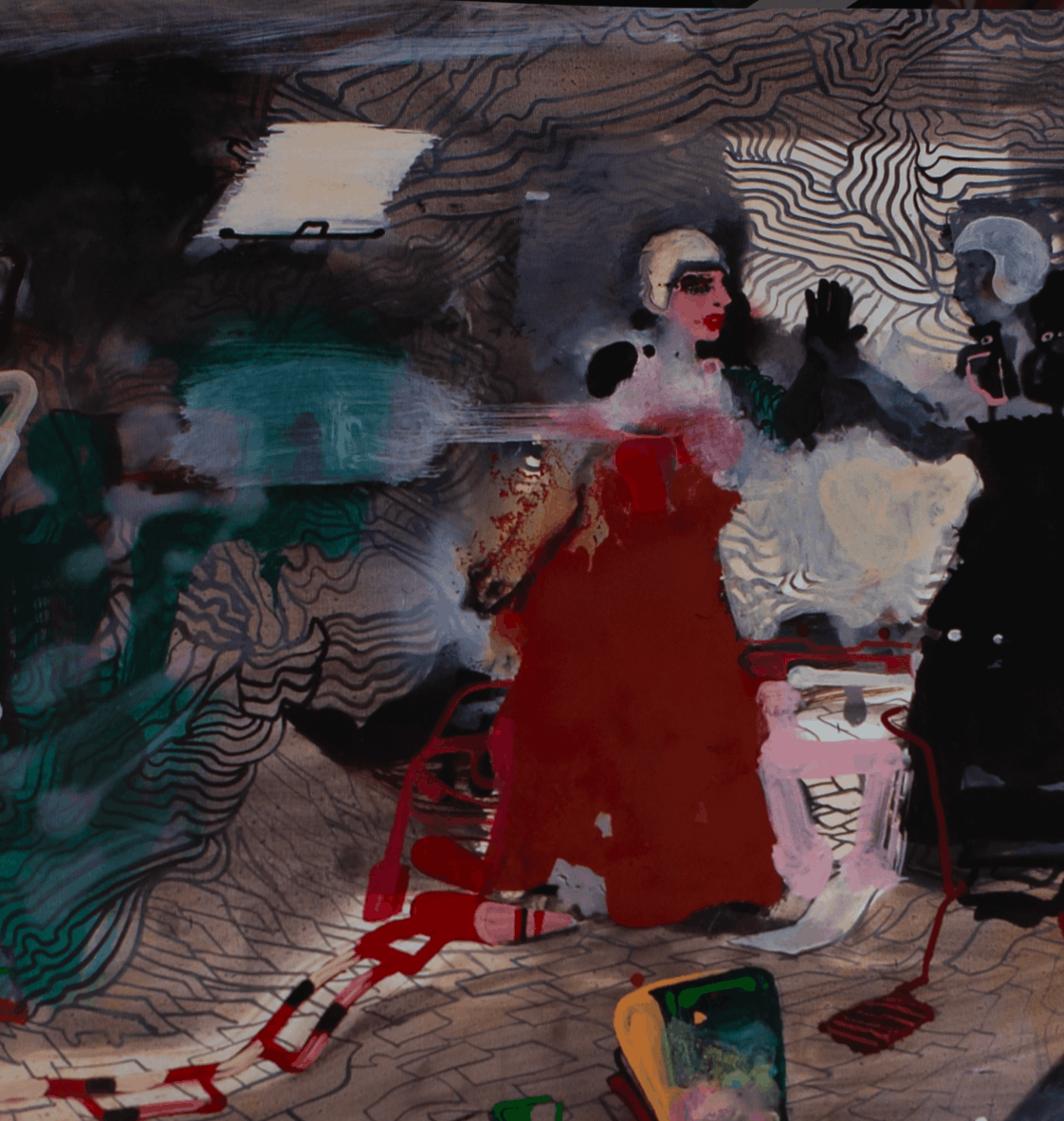
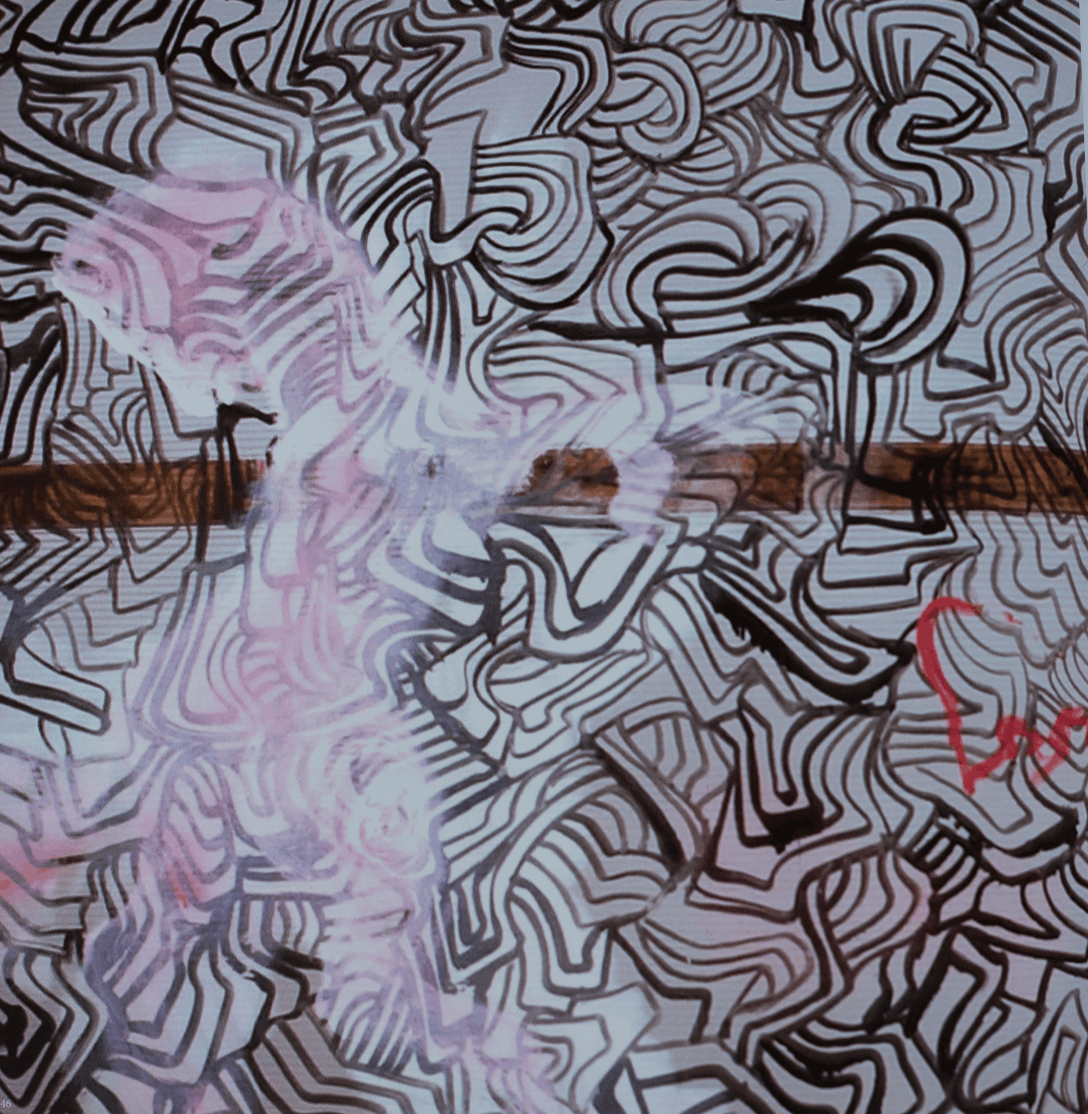
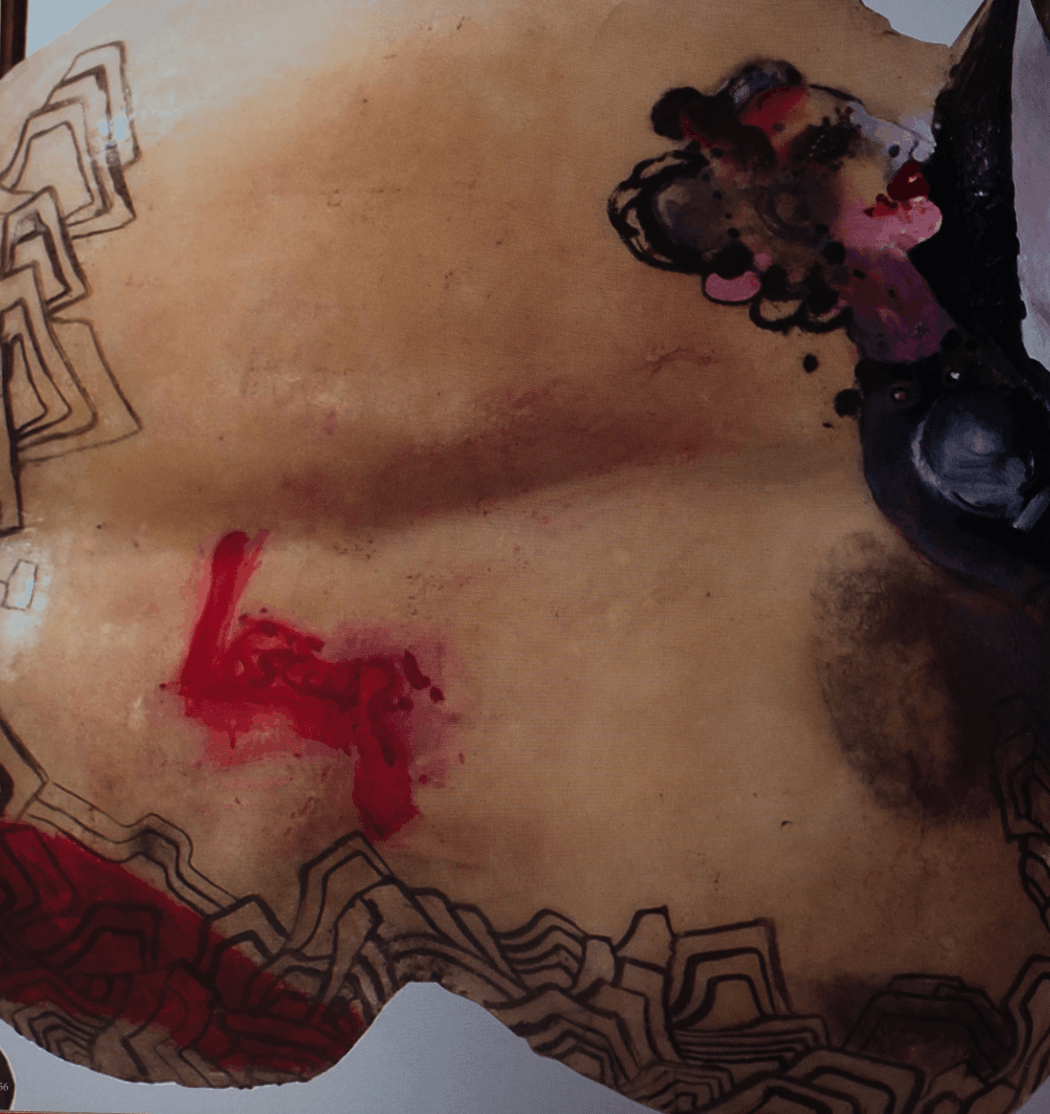
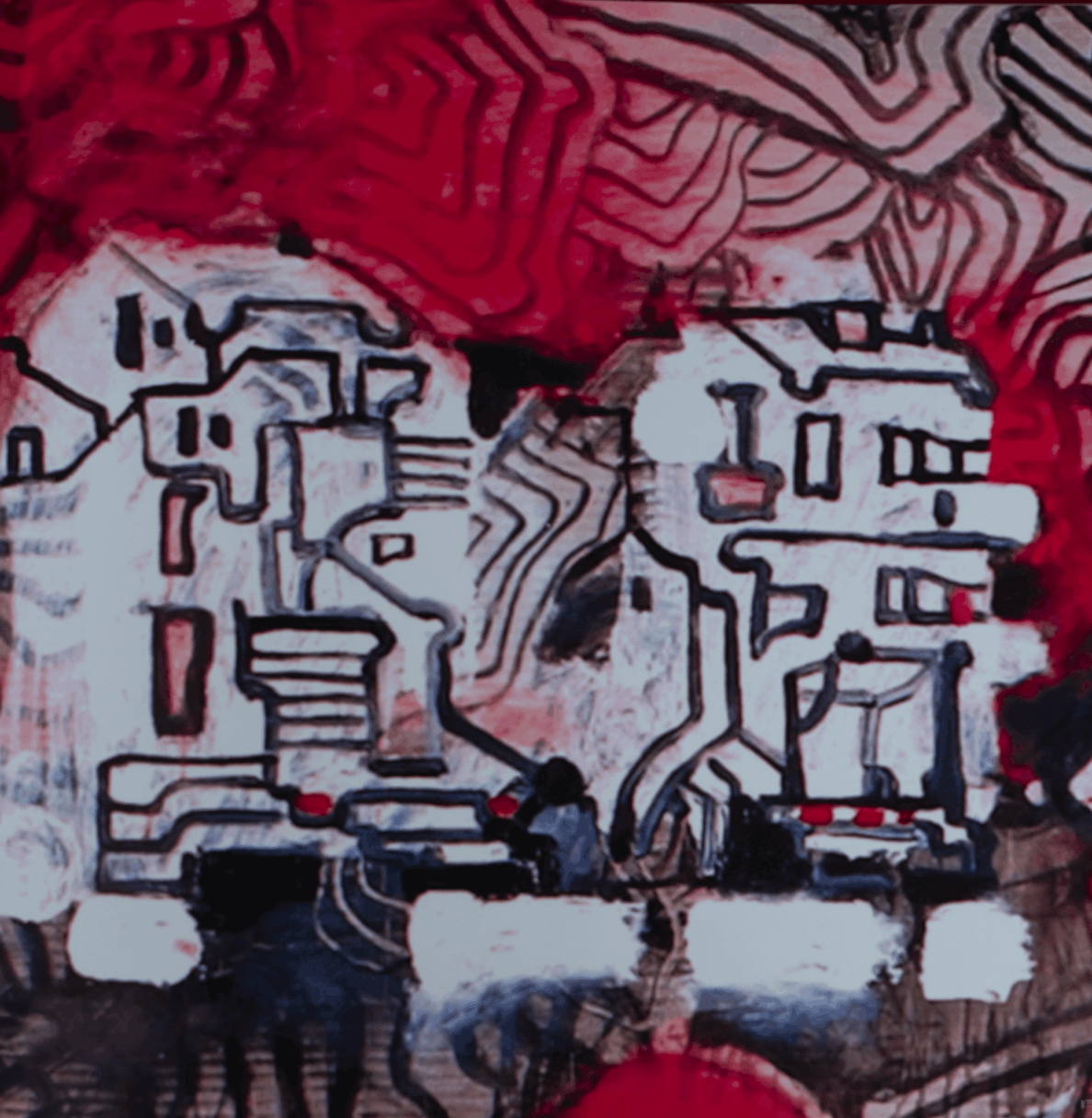
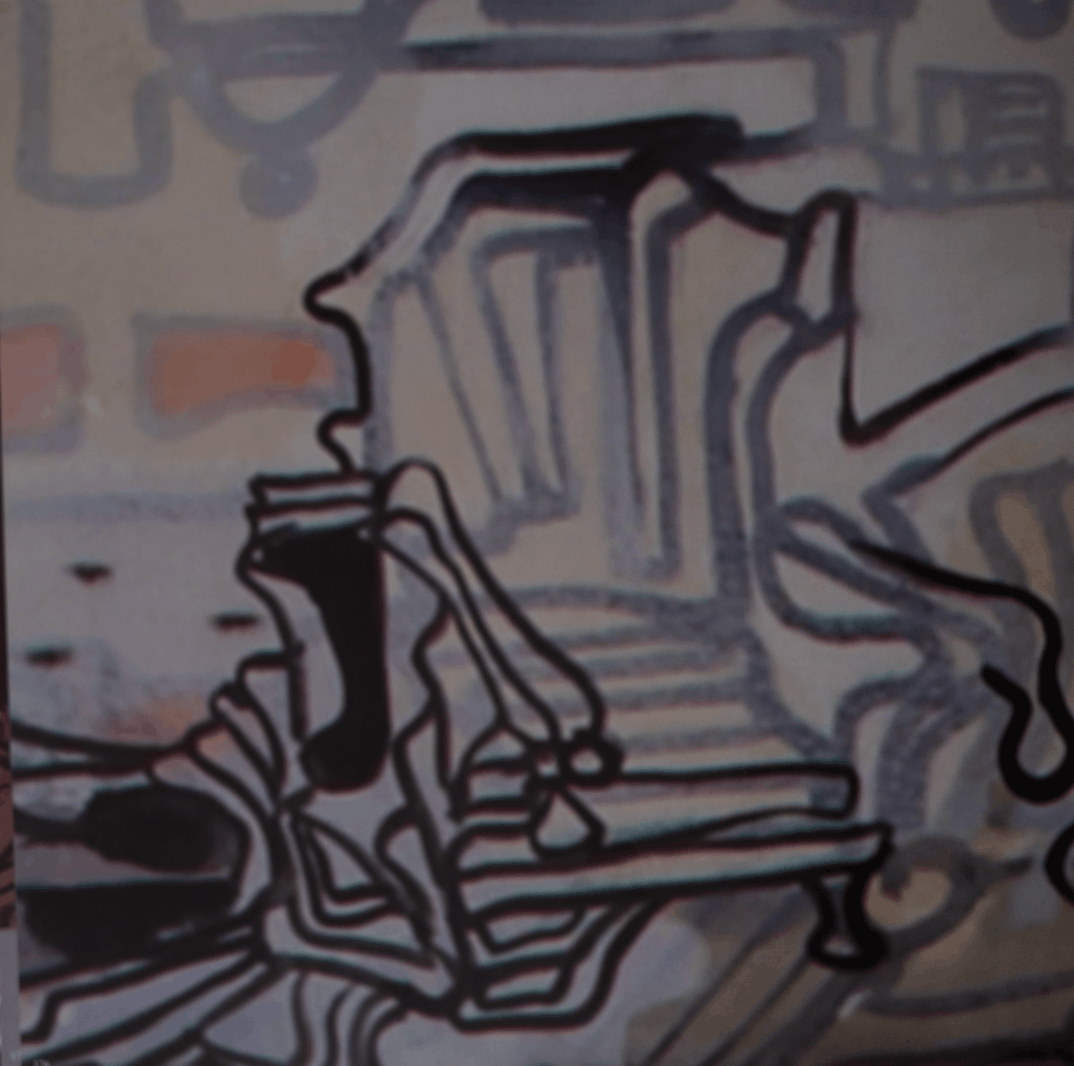
In Cortextualism, and specifically in its second paradigm, sculpture represents an existential adventure, marking a form of evolution sustained by personal symbolism and one's own mythology, manifested through bodily, physical, and cognitive refinements. Neurons generate forms through ideas, and forms inspire in return, restructuring thought through perceptual feedback within the abstract field of consciousness. Yet sculpture as an object remains present in monumentally organic forms made of translucent epoxy resins, imprinted with illusory chromatic drawing and layered color carrying an epidermal reference. These become true extensions of materialized thought. Within the exhibition, they appear as tangible extensions of the film, materializations that pierce the flat field of the monitor screen. This constitutes an assumption of plastic expression that becomes a continuously changing circuit, a mutual modeling between body, consciousness, and creation. Here occurs the departure from strict visualization and the distancing from art with a merely decorative role, in favor of an evolutionary aesthetic and cognitive endeavor. The rebirth in the flesh of electric thought appears when sculpture transforms from a simple object into an interface between matter and consciousness. The notion of the flesh of thought defines subtle neural matter and its capacity for modeling through cognitive involvement (neuroplasticity). Cyber, in this pre-technological context, designates the capacity for self-regulation within the relationship between expression, matter, consciousness, being, and evolution.
Statement
Transcendent Cybermaterialism defines a material regime in which thought does not merely generate representations, but manifests directly as a stratified volumetric structure in which matter is reborn in the flesh of thought. This materiality appears as a continuum between drawing, painting, volume, and the moving image. The illusory chromatic drawing on transparent resins produces organic volumetric forms, while the stratified painting settles epidermically over a drawing structure, generating a unitary picto-sculpture. The film functions not merely as a support for representation, but as a medium from which forms emerge to become palpable sculptural extensions in space. These extensions are supported by a collage of frames, in which different classical styles are reunited within a concept of framing that becomes a constitutive part of the artwork, and by an original soundtrack that maintains the bodily coherence of the ensemble. The soundtrack includes a fragment by Ciprian Porumbescu alongside an atonal composition created specifically for this project. Cyber, in this context, represents self-regulation rather than technology. Matter is reborn in the flesh of thought. The film generates palpable sculptural extensions.
Principles
- Matter is understood as the support of a latent code.
- The code exists independently of technological implementation.
- Cyber designates flow, connection, activation, and self-regulation, not technical infrastructure.
- The relationships between elements prevail over stable form.
- Sculpture becomes a potential algorithmic field.
What is new?
Matter and consciousness are treated as an artistic continuum. Form does not merely represent thought, but becomes the support for the transformation between matter and thought. It introduces the idea of matter reborn in the “flesh of electric thought.”
3. CYBERRENNAISANCE
Academic Text
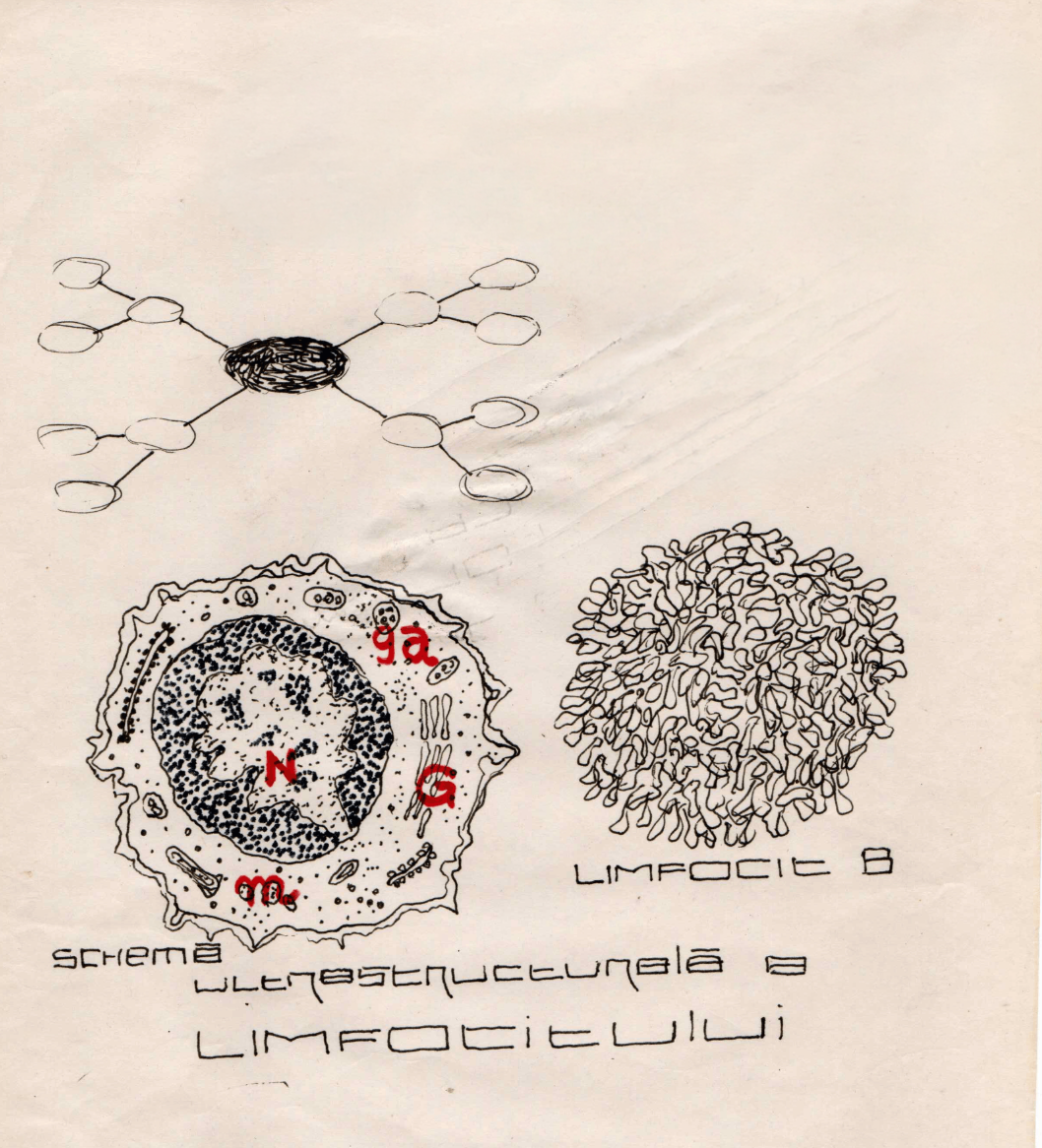
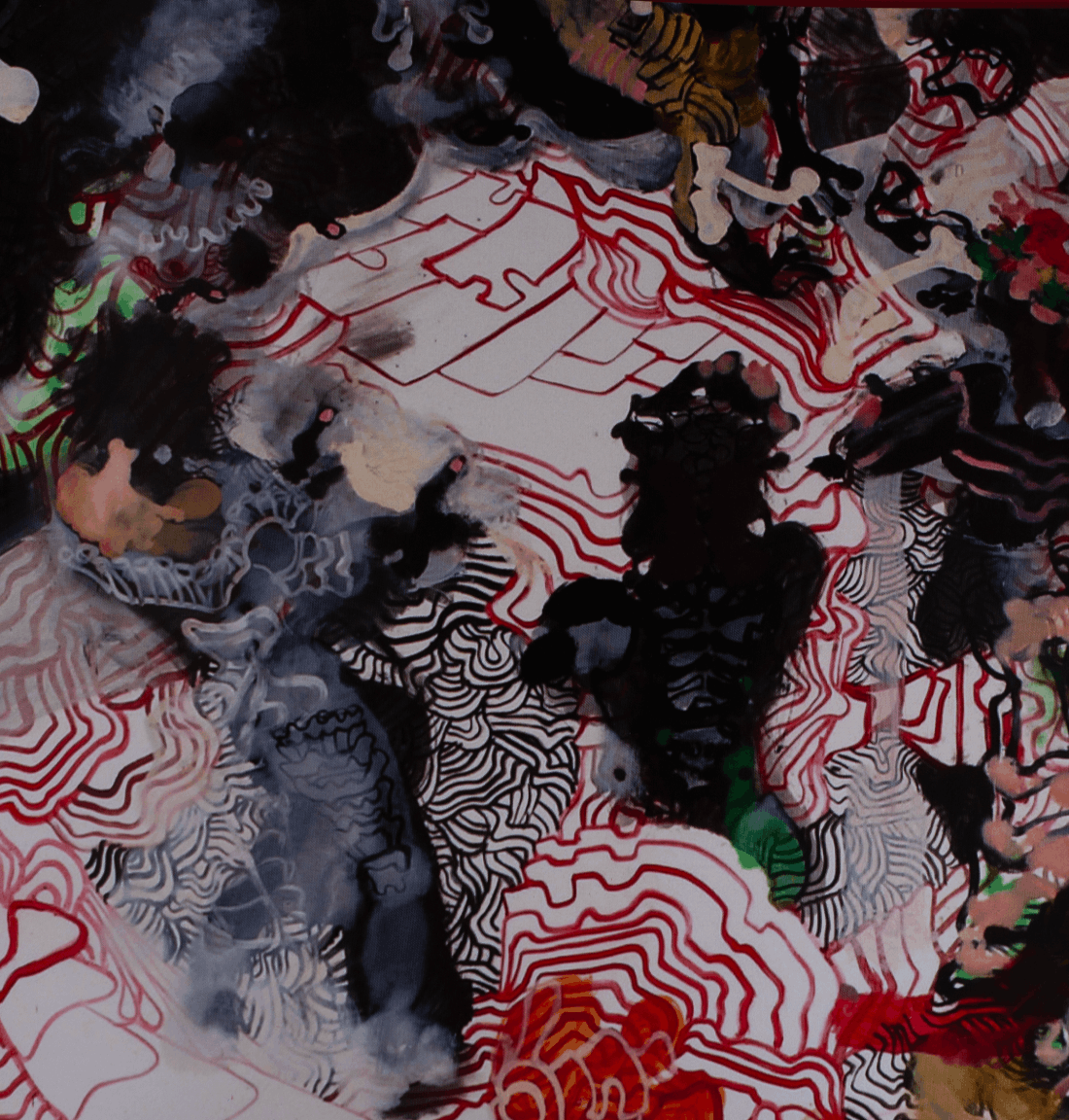
The third paradigm develops the structural implications of the preceding one, leading to a polycentric rhizomatic organization. The structure of the drawing is no longer defined by a single compositional center, but by a network of relationships in which each node can function as a point of generation. The composition becomes distributed, and meaning appears as an emergent result of interactions. Within this framework, the artist is no longer the author of a finished form, but the operator of a generative matrix. This stage can be understood as a “rebirth” of matter, not in a historical sense, but as a reconfiguration of the way form exists and produces meaning. The need for technological input emerges.
Statement
Form dissolves into the network, and sculpture becomes an operational matrix in which each element can generate meaning. The neuronorizomatic organization transforms the artwork into an emergent system, in which the author no longer merely constructs forms, but configures the conditions for their appearance. This paradigm marks the moment when technology becomes necessary, not merely as an external tool, but as an extension of a structure already existing at a conceptual level. The structures remain open, adaptable, and generative.
Principles
- Composition is polycentric and non-hierarchical, making technological input imperative.
- The structure is rhizomatic, based on multiple and open structures.
- Meaning is emergent, not predetermined.
- The artwork functions as a system, not as a finished object.
- The artist operates as a generator of ontological conditions, not merely as an author of visual structures.
What is new?
It redefines “cyber” as self-regulation and the organization of form, rather than as technology.
Final Axiomatic Field
Sculpture sculpts the being.
Matter is reborn in the flesh of electric thought.
The structure of form becomes onto-rhizomic.
Final Statement
Cortextualism proposes not merely a new form of sculpture, but a transformation of its very condition. From object to system, from representation to activation, and from structure to onto-emergence.
PARADIGMS
1. NEUROPHYSIOLOGICAL SCULPTURE (Rebound Core / Free Shaper)
Academic Text
This paradigm proposes a fundamental reconfiguration of sculpture, transforming it from an object-centered discipline into an active system of relationships between the body, matter, and latent code. Within this framework, sculpture no longer functions as a space of representation, but as a field of activation in which perception, structure, and meaning are generated through dynamic interaction. The system unfolds across three paradigms, each marking a transition. The first of these paradigms, Neurophysiological Sculpture, establishes the fundamental condition: the direct engagement of the body within an unstable sculptural field. In this first paradigm, sculpture is understood as a system of controlled instability that activates the human body directly. The artwork does not function as a contemplative object, but as an experiential medium in which perception is generated through imbalance and readjustment. The center of the sculpture is not fixed, but variable, being determined by the interaction with the body. In this context, form becomes an instrument of neurophysiological stimulation, and the sculptural experience is mediated by proprioceptive processes. This stage operates within a pre-technological register, where the “code” is understood as somatic organization and bodily reaction.
Statement
Sculpture functions as a system of controlled instability that directly engages the body. This paradigm redefines sculpture as an existential experience situated beyond the visual register. Sculpture acts as an active system that induces movement, instability, and direct bodily reaction. Two female bodies function as vectors of confrontation on a dynamic, unstable surface, in a simultaneous process of expulsion and stabilization. The interaction generates a battlefield-fitness type of field, in which raw and unpredictable muscular reactions are converted into an aesthetic constructive gesture. The performance appears as an emergent effect of the system. Sculpture sculpts the being.
Principles
- Sculpture functions as an active system for inducing movement.
- The body becomes a moldable medium, the medium of structural transformations.
- Instability is a generative mechanism.
- The conflictual relationship replaces static composition.
- Form results from physiological reaction.
What is new?
Sculpture is no longer merely looked at, but is activated through the body. Form produces measurable physiological responses through movement, balance, and muscular tension. “Sculpture sculpts the being” becomes an operational principle, not a metaphor.
2. TRANSCENDENT CYBERMATERIALISM
Academic Text
Transcendent Cybermaterialism marks the second paradigm of Cortextualism, in which the focus shifts from the body, as the primary site of activation, toward matter, as an active and structuring field. If Neurophysiological Sculpture functions through the direct engagement of the body, this paradigm reconfigures the status of matter itself. Matter is no longer perceived as a passive support for form, but as an active medium, capable of organizing, carrying, and expressing the latent code. The second paradigm marks a conceptual mutation: matter is no longer just a physical support, but is conceived as a structure capable of containing and transmitting code. The code is the latent principle of self-regulation that governs the transformation of matter, perception, and consciousness into a plastic structure. The term “cyber” does not indicate the use of digital technology, but rather designates the emergence of a logic of self-regulation, flow, and relationality. The “electric” functions here as an operational metaphor for processes of activation and propagation, not as a technical infrastructure. At this stage, sculpture becomes a field of algorithmic potential, where the relationships between elements are more relevant than stable form. The absence of access to technology does not constitute a limitation, but rather maintains the system in an abstract, ontological state.
In Cortextualism, and specifically in its second paradigm, sculpture represents an existential adventure, marking a form of evolution sustained by personal symbolism and one's own mythology, manifested through bodily, physical, and cognitive refinements. Neurons generate forms through ideas, and forms inspire in return, restructuring thought through perceptual feedback within the abstract field of consciousness. Yet sculpture as an object remains present in monumentally organic forms made of translucent epoxy resins, imprinted with illusory chromatic drawing and layered color carrying an epidermal reference. These become true extensions of materialized thought. Within the exhibition, they appear as tangible extensions of the film, materializations that pierce the flat field of the monitor screen. This constitutes an assumption of plastic expression that becomes a continuously changing circuit, a mutual modeling between body, consciousness, and creation. Here occurs the departure from strict visualization and the distancing from art with a merely decorative role, in favor of an evolutionary aesthetic and cognitive endeavor. The rebirth in the flesh of electric thought appears when sculpture transforms from a simple object into an interface between matter and consciousness. The notion of the flesh of thought defines subtle neural matter and its capacity for modeling through cognitive involvement (neuroplasticity). Cyber, in this pre-technological context, designates the capacity for self-regulation within the relationship between expression, matter, consciousness, being, and evolution.
Statement
Transcendent Cybermaterialism defines a material regime in which thought does not merely generate representations, but manifests directly as a stratified volumetric structure in which matter is reborn in the flesh of thought. This materiality appears as a continuum between drawing, painting, volume, and the moving image. The illusory chromatic drawing on transparent resins produces organic volumetric forms, while the stratified painting settles epidermically over a drawing structure, generating a unitary picto-sculpture. The film functions not merely as a support for representation, but as a medium from which forms emerge to become palpable sculptural extensions in space. These extensions are supported by a collage of frames, in which different classical styles are reunited within a concept of framing that becomes a constitutive part of the artwork, and by an original soundtrack that maintains the bodily coherence of the ensemble. The soundtrack includes a fragment by Ciprian Porumbescu alongside an atonal composition created specifically for this project. Cyber, in this context, represents self-regulation rather than technology. Matter is reborn in the flesh of thought. The film generates palpable sculptural extensions.
Principles
- Matter is understood as the support of a latent code.
- The code exists independently of technological implementation.
- Cyber designates flow, connection, activation, and self-regulation, not technical infrastructure.
- The relationships between elements prevail over stable form.
- Sculpture becomes a potential algorithmic field.
What is new?
Matter and consciousness are treated as an artistic continuum. Form does not merely represent thought, but becomes the support for the transformation between matter and thought. It introduces the idea of matter reborn in the “flesh of electric thought.”
3. CYBERRENNAISANCE
Academic Text
The third paradigm develops the structural implications of the preceding one, leading to a polycentric rhizomatic organization. The structure of the drawing is no longer defined by a single compositional center, but by a network of relationships in which each node can function as a point of generation. The composition becomes distributed, and meaning appears as an emergent result of interactions. Within this framework, the artist is no longer the author of a finished form, but the operator of a generative matrix. This stage can be understood as a “rebirth” of matter, not in a historical sense, but as a reconfiguration of the way form exists and produces meaning. The need for technological input emerges.
Statement
Form dissolves into the network, and sculpture becomes an operational matrix in which each element can generate meaning. The neuronorizomatic organization transforms the artwork into an emergent system, in which the author no longer merely constructs forms, but configures the conditions for their appearance. This paradigm marks the moment when technology becomes necessary, not merely as an external tool, but as an extension of a structure already existing at a conceptual level. The structures remain open, adaptable, and generative.
Principles
- Composition is polycentric and non-hierarchical, making technological input imperative.
- The structure is rhizomatic, based on multiple and open structures.
- Meaning is emergent, not predetermined.
- The artwork functions as a system, not as a finished object.
- The artist operates as a generator of ontological conditions, not merely as an author of visual structures.
What is new?
It redefines “cyber” as self-regulation and the organization of form, rather than as technology.
Final Axiomatic Field
Sculpture sculpts the being.
Matter is reborn in the flesh of electric thought.
The structure of form becomes onto-rhizomic.
Final Statement
Cortextualism proposes not merely a new form of sculpture, but a transformation of its very condition. From object to system, from representation to activation, and from structure to onto-emergence.